10/10 sci-fi shows are rare, but Netflix’s 4-part series has zero bad episodes
Few genres are harder to make perfect TV shows in than sci-fi. Building new worlds, technologies, and ideas is a delicate balancing act, and even the best sci-fi shows stumble eventually. That’s why it’s so remarkable that Netflix’s Love, Death & Robots hasn’t faltered after four seasons, sustaining a flawless run that many rivals never manage.
Debuting in 2019, the animated anthology blends speculative fiction, horror, and dark comedy into short-form stories with unrivaled creative ambition. Each episode of Love, Death & Robots pushes the limits of both animation and science fiction storytelling. The result isn’t just another solid Netflix original, but one of the platform’s strongest contributions to modern sci-fi television.
Since its debut in 2019, all four seasons of LD+R have delivered a masterclass in animated storytelling. No matter the sci-fi subgenre explored, Love, Death & Robots maintains a remarkable standard. Across its run, its bold visuals, concise writing, and fearless concepts combine to produce consistently perfect episodes in a way few, if any, sci-fi TV shows can match.
Love, Death, & Robots Has No Bad Episodes
Every Anthology Risk Is Met With Creative Precision

Sci-fi anthology shows often struggle with consistency, even the genre’s greats like The Twilight Zone and Black Mirror. The format invites experimentation, but experimentation can mean misfires. Love, Death & Robots faces that challenge every episode, yet never stumbles. Instead of filler, each installment arrives with a focused identity, leaving little room for mediocrity.
The key to LD+R’s consistency partially lies in its variety. One episode may explore existential space travel, while the next dives into cyberpunk combat or supernatural war. By refusing to repeat formulas, Netflix’s animated anthology series avoids stagnation. That constant reinvention keeps audiences invested and ensures episodes never blur together.
Animation is equally crucial to the success of Love, Death & Robots. Different studios employ distinctive visual languages, ranging from hyperrealistic rendering to painterly abstraction. This creative freedom means the visuals reinforce the themes, allowing storytelling and presentation to operate as a single cohesive force.
Episode length is also a key factor. Most stories in Love, Death & Robots unfold in under twenty minutes, forcing sharp pacing and disciplined plotting. Without unnecessary exposition, episodes deliver striking ideas with precision. They rarely overstay their welcome, leaving viewers with memorable concepts rather than diluted narratives.
Ultimately, Love, Death & Robots thrives because it respects risk while controlling execution. By embracing bold concepts and trusting diverse creative voices, it sidesteps the unevenness typical of anthologies. Four seasons in, its consistency feels less accidental and more like the end product of a deliberate creative philosophy.
You Can Start Love, Death, & Robots From Wherever You Want
Standalone Stories Make Every Episode A Gateway
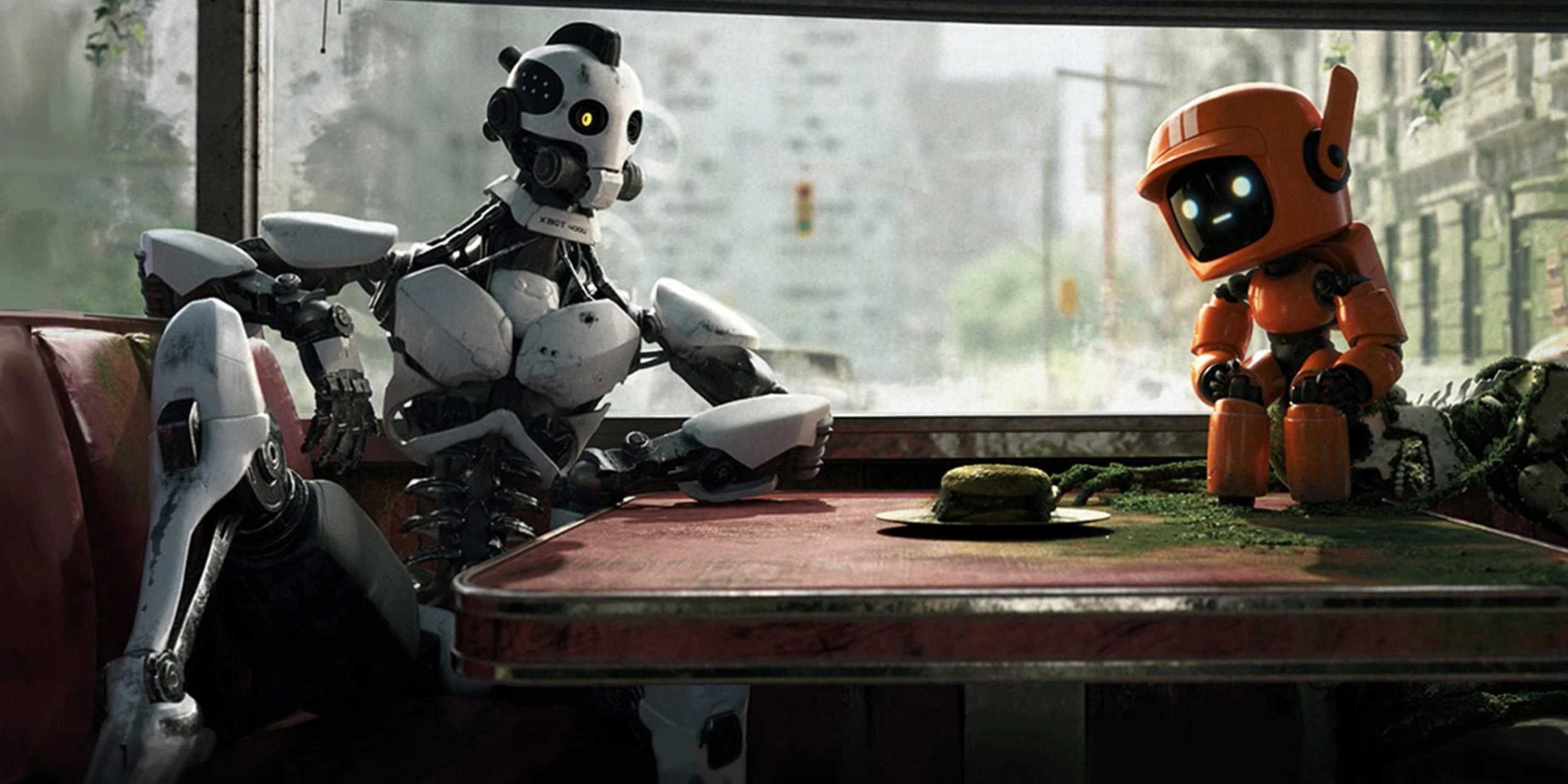
Alongside consistency, accessibility is one of Love, Death & Robots’ defining strengths. Since each episode is self-contained, Netflix subscribers can begin anywhere without confusion. There are no long-running arcs that require tracking or character backstories to memorize, just compact narratives designed to stand independently.
This flexibility invites exploration by taste. Fans of cosmic mystery might gravitate toward episodes centered on deep-space isolation like season 1’s “Helping Hand”. Those drawn to action can select kinetic, combat-driven stories, such as season 3’s “Kill Team Kill”. Installments like season 2’s “All Through The House” feel tailor-made for horror enthusiasts. Every preference has an entry point that feels tailored.
That freedom transforms any potential Love, Death & Robots run through into a curated experience. Audiences can watch sequentially or select episodes like tracks from a playlist. Either method works because the anthology structure guarantees narrative closure within minutes, making experimentation part of the fun.
Starting from volume one remains satisfying, offering a showcase of tonal breadth from the outset. However, diving into later seasons of Love, Death & Robots demonstrates how the creators refine visual ambition and narrative confidence. Whichever path viewers take, the result reflects the same consistent quality.
This design ensures newcomers are never locked out. Sampling a single episode can hook curiosity without demanding long-term commitment. Once engaged, many viewers inevitably circle back to watch everything. The structure of Love, Death & Robots proves that having multiple entry points doesn’t limit a TV show, it enhances it.
The Best Love, Death, & Robots Episode According To IMDb
Top-Rated Entries Showcase The Series At Its Peak

Those seeking to jump into the best Love, Death & Robots episodes without watching from the start of season 1 need look no further than IMDb. The best installments of LD+R according to IMDb distills the series’ storytelling strengths into a compact, compelling package that reflect what makes the show so great.
The best episode of Love, Death & Robots according to IMDb is season 3’s “Bad Traveling,” rated 8.7. A masterclass in tension, its confined setting and moral dilemmas create escalating suspense, while the detailed animation amplifies the atmosphere further. The episode demonstrates how the anthology blends character-driven drama with speculative horror beautifully, and it’s easy to see why it takes the top spot.
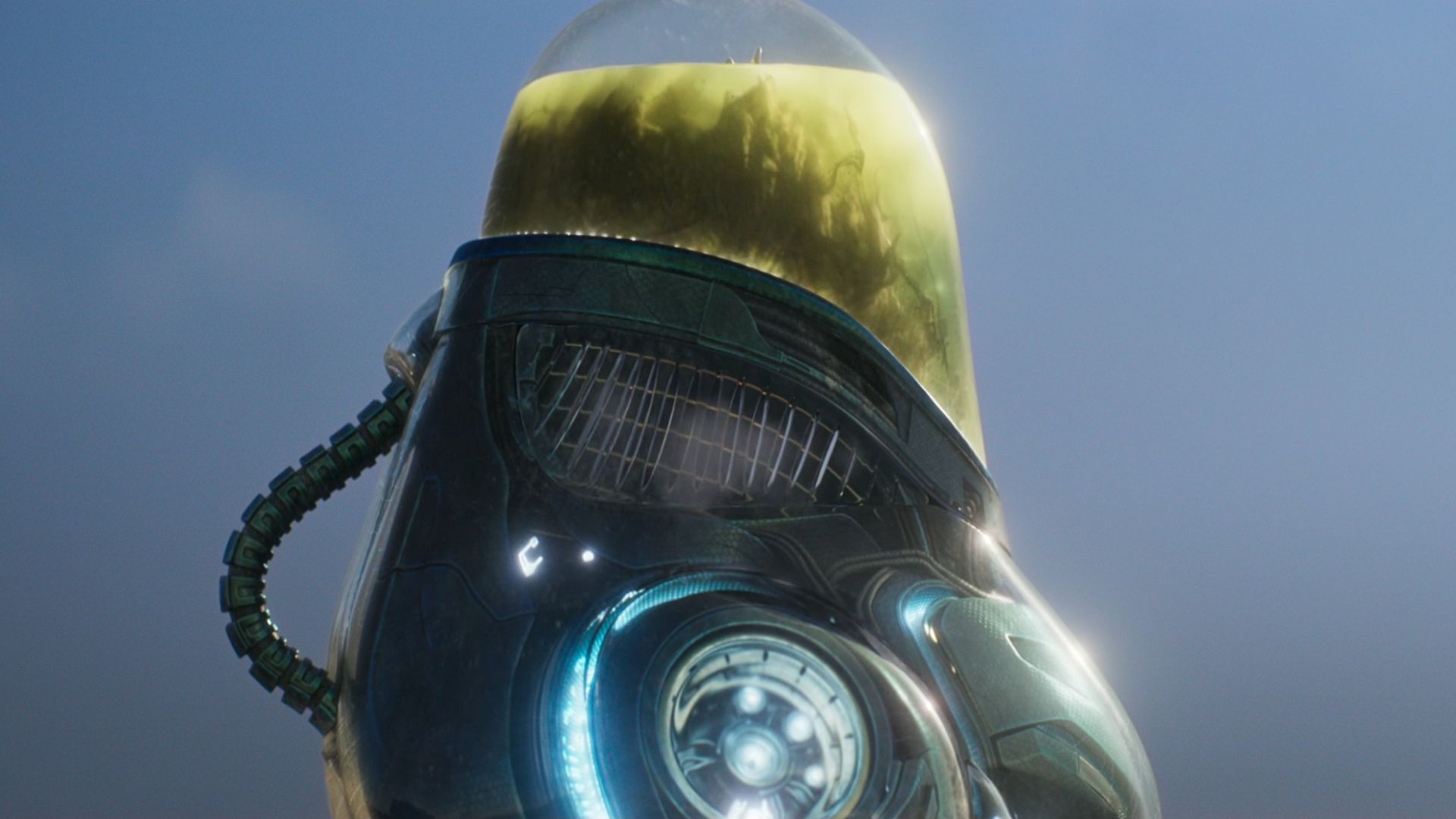
A close second is season 1’s “Beyond The Aquila Rift.” It earns an 8.5 score through its haunting revelations and striking visual execution. Then there’s “Zima Blue” at number 3, also from season 1, at 8.3. This unforgettable volume takes a contemplative approach to sci-fi, delivering philosophical reflection through minimalist narrative and distinctive artistic style.
The number 4 spot is also a season 1 episode, “Sonnie’s Edge.” This LD+R episode combines visceral action and world-building, securing its 8.2 rating by presenting high-stakes combat and layered characterization. This action focus is also present for the fifth best, “The Secret War,” rated 8.1, which merges military drama with supernatural threat, showcasing cinematic scale and tonal intensity within a short runtime.
Together, these episodes highlight everything that makes Love, Death & Robots timeless. Each captures a different flavor of science fiction, from introspection to spectacle. Sampling any of them reveals why the anthology commands attention, offering newcomers proof of quality before committing to its full four-season journey.