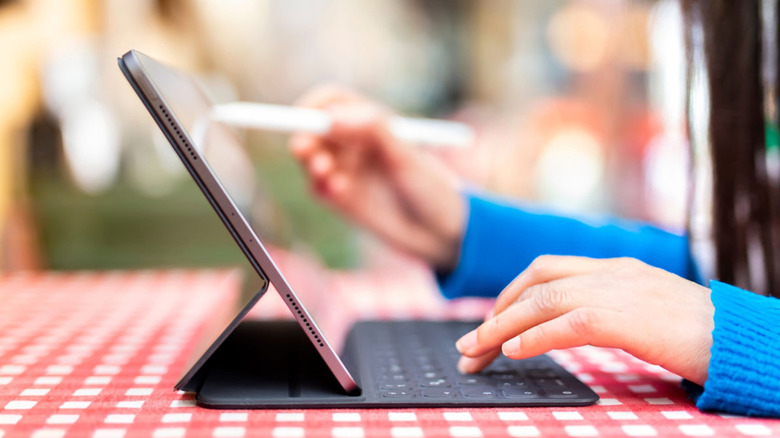

iPads have long been a compelling recommendation, provided the price point doesn’t deter potential buyers. Apple offers a range of iPads to suit various budgets, from the more accessible 11th-generation model to the exceptionally powerful, albeit exorbitantly priced, iPad Pro M5. They excel as devices for media consumption, proving invaluable for entertainment in bedrooms without televisions or during travel. Furthermore, with the advancements in iPadOS, they offer a reasonably capable alternative to MacBooks when your primary computer is temporarily unavailable. The iPadOS experience is polished and refined, and the seamless, magnetic attachment of accessories is particularly appreciated. However, even dedicated iPad users occasionally find themselves glancing over Apple’s carefully curated ecosystem, drawn to the perceived freedom and versatility of Android’s more open environment.
Having used an iPad daily for several years, I’ve become intimately familiar with its limitations. These shortcomings become particularly apparent when observing Android tablet users, who often enjoy functionalities that Apple has yet to adopt, or may never intend to. This discussion isn’t about the perennial debate of iPad’s restrictiveness and cost versus Android’s affordability and openness. Instead, the focus is on specific features currently available on Android tablets that seem unlikely to appear on future iPad models. These five Android tablet features are so compelling that they could easily sway a user back to the Android camp.
Android Desktop Mode and Samsung DeX
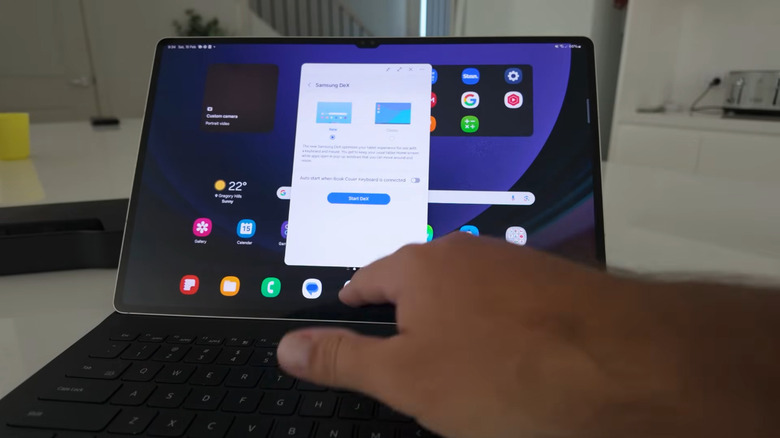
The question of whether an iPad can truly replace a MacBook has been a persistent one for years. As an iPad enthusiast, my answer has typically been, “It’s kind of possible, but not really.” Android, however, offers a more definitive “yes.” Samsung pioneered this with its DeX platform. By connecting a compatible Samsung phone or tablet to an external display via USB-C to HDMI, the device transforms into a fully functional desktop computer. It boasts robust mouse and keyboard support, a taskbar, and the ability to run apps in resizable windows, mirroring a traditional PC experience. Indeed, one of our own reviewers successfully used Samsung DeX as a laptop replacement for an entire month, concluding that despite some minor rough edges, an Android tablet could serve as a viable PC substitute for many users.
While DeX is exclusive to Samsung’s One UI, other Android devices offer similar functionality. Google’s Pixel tablets, for instance, feature an Android Desktop Mode. This mode operates in a largely identical fashion, enabling users to convert their tablet into a Chromebook-like experience simply by connecting it to an external display. The implications of this are significant. For users who don’t require highly specialized desktop software, a smartphone or tablet could potentially serve as both their primary on-the-go device and their desktop computer. This convergence offers substantial cost savings, the ultimate in portable computing, and the potential for a streamlined desktop setup.
It’s important to acknowledge the strides made by iPadOS 26, which represented a notable advancement in the iPad’s laptop capabilities. It introduced a more functional windowing system, a menu bar, and improved file management. iPads can indeed connect to external displays. However, my own attempts to use an iPad as a laptop replacement on an external screen for work have underscored that it remains, fundamentally, iPadOS. It’s a touch-centric operating system designed for tablets, and I would only resort to using it in a desktop configuration if my primary MacBook were completely inoperable. In contrast, with Android, I can genuinely envision myself relying on a tablet as my daily driver, whether at a desk or on the move.
App Sideloading
Apple has a penchant for rigidly adhering to certain design choices, sometimes to the detriment of user flexibility. The company’s long-standing commitment to the Lightning cable is a prime example. Another area where Apple maintains strict control is by preventing users from installing applications outside of its App Store. While this is changing in regions like the EU and Japan due to regulatory pressure, users in other parts of the world are still limited to iPads that, despite their considerable power, are restricted from downloading any non-sanctioned software. Android, on the other hand, has supported app sideloading for a considerable time. It’s worth noting that Google is also beginning to impose more restrictions, limiting sideloading to “verified” developers.
The scarcity of truly excellent free applications on the App Store is, in my opinion, largely attributable to Apple’s stringent control. The company takes a substantial 30% cut of app revenue and requires a $99 annual developer license fee. Even after meeting these financial requirements, developers must navigate extensive app review guidelines. This creates a disincentive for developers to create iPad apps outside the App Store ecosystem, leading to the potential loss of innovative software that might never see the light of day because it cannot be widely distributed.
Android tablets, however, offer a much more open environment for app distribution. Numerous third-party app stores exist, many of which host applications not available on the Google Play Store. Even if an app isn’t found on a third-party store, users can typically install it by obtaining the .apk file. Given Apple’s financial reliance on its App Store, it seems unlikely that widespread sideloading will be permitted in the U.S. anytime soon, barring significant external pressure.
PC Gaming
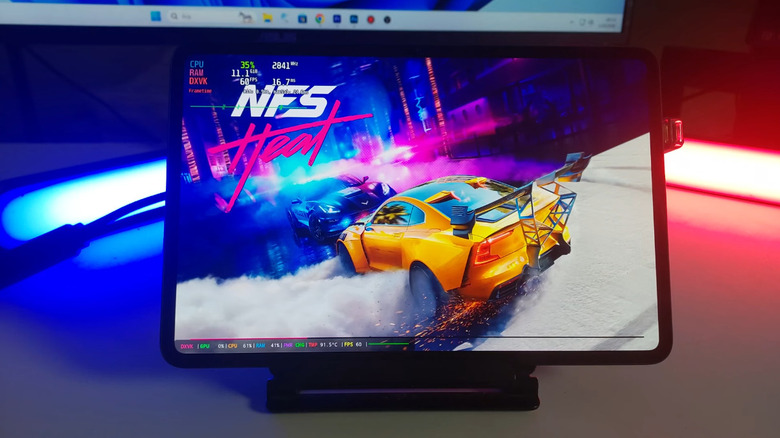
The notion of playing PC games on an Android device is something I never anticipated saying. While I previously acknowledged that PC gaming on Android is still in its nascent stages and comes with a number of caveats, the progress since then has been remarkably swift. Third-party Turnip drivers for high-end Snapdragon 8 Elite chips are already available, enabling many games that were previously unplayable to now function. We are rapidly approaching a future where an Android tablet could effectively function as a portable PC gaming device, akin to a miniature Steam Deck. iPads are currently shipping with laptop-grade M4 and M5 chips, suggesting they should be well-suited for gaming. However, this has not materialized.
Apple did make an attempt at fostering gaming on its platform, but in typical Apple fashion, it focused on releasing a limited selection of AAA titles to secure its 30% commission. This approach aimed to entice users to invest in expensive hardware and then repurchase games they already owned on platforms like Steam. The success of this strategy? It was, by all accounts, minimal. iPad gaming, in my assessment, was destined for failure from the outset. As a constant reminder of this missed opportunity, I often see users sharing videos of themselves playing demanding titles like “Cyberpunk 2077” at smooth frame rates on their Android devices.
The question is not whether an iPad could run these games. Performance benchmarks clearly indicate that the most powerful iPad chips can easily compete with those found in Android devices. While an app called GameHub exists on iOS and iPadOS (the same one Android users utilize for PC gaming), it does not yet support PC games. However, there are signs of potential future development. GameSir, the company behind GameHub, has teased a macOS GameHub client, suggesting that iPads might eventually gain similar PC gaming capabilities. But for now, Android already offers this functionality.
MicroSD Support
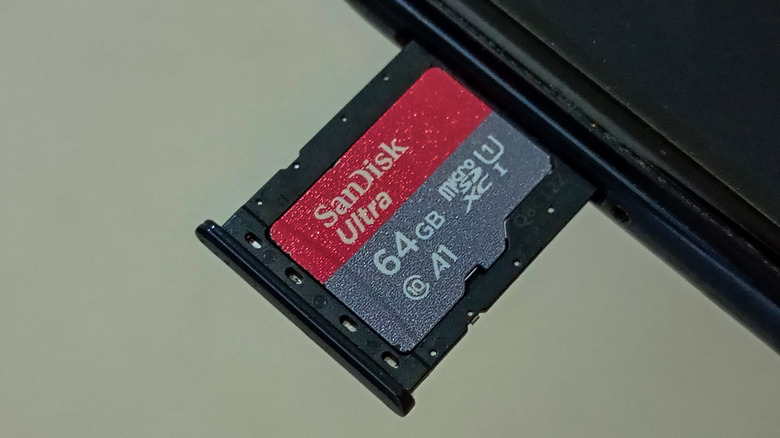
One of Apple’s most controversial decisions was the removal of the headphone jack, a move that inspired many other tech companies to follow suit. However, it’s still possible to find Android devices that retain the headphone jack, and more importantly for storage expansion, microSD card slots. Both budget-friendly and premium Android tablets, such as the Samsung Galaxy Tab S10 and Samsung Galaxy Tab S10 Plus, offer this feature. While it’s important to acknowledge that microSD cards can have their own performance limitations, the ability to expand a tablet’s storage with an affordable SD card is a capability that iPad users have never experienced and are unlikely to in the future.
To reiterate a point that has been made repeatedly, the cost of upgrading iPad storage is akin to extortion. The base model iPad Pro starts at a considerable price, offering a meager 256GB of storage. To upgrade to 512GB, users face an additional $200 charge. Opting for 1TB of storage adds a staggering $500 to the base price, and a 2TB model requires an investment of another $1,000. It’s worth noting that these higher storage tiers do include minor upgrades in CPU cores and RAM, but the primary benefit remains storage expansion, making the cost particularly egregious.
While I don’t personally require an exorbitant amount of storage, the issue lies with the principle. The processing power of the iPad Pro is often overkill for many users, and I would happily purchase a lower-tier model and expand the storage with an SD card later if needed—if that were an option. The escalating cost of Apple’s storage upgrades, especially considering the potential impact of future RAM shortages on pricing, is a significant deterrent. This could very well be the deciding factor for many consumers when it’s time to upgrade.
E-Ink Screens

E-Ink displays have seen significant improvements in recent years, making them an excellent tool for productivity on Android devices that incorporate them. The prospect of an e-ink iPad, however, seems highly improbable. Based on a complete lack of rumors and my understanding of Apple’s product philosophy, it’s difficult to envision a company so intrinsically linked with vibrant, high-resolution displays even considering a device with an e-ink screen without significant hesitation.
Naturally, an e-ink display would render a tablet unsuitable for content consumption, such as watching videos or browsing social media. However, I would argue that this limitation could actually be a benefit rather than a drawback. Instead of succumbing to time-wasting activities, users would be naturally incentivized to focus on productivity. Furthermore, the reduced eye strain would be a welcome relief. The ability to comfortably read not only books but also articles directly from websites, and engage in journaling or note-taking with a tactile experience akin to writing on paper, would be incredibly appealing. The extended battery life associated with e-ink technology would likely be so exceptional that users might even forget when they last charged their device.
For those unfamiliar with the latest advancements in e-ink technology, the perception might still be of grainy, slow, black-and-white displays with poor refresh rates, reminiscent of early e-readers. This is no longer the case. Modern e-ink tablets offer vibrant color displays with refresh rates fast enough for real-time writing and resolution that rivals printed materials. While these devices can be costly, they represent a worthwhile investment. Given Apple’s apparent disinterest in this technology, I might be more inclined to invest in a device like the reMarkable Paper Pro.