
There has been much grumbling of late that the Bafta Film Awards have trapped themselves between two stools. Should they rally behind Britain’s film industry, like France’s Césars or Spain’s Goyas, or try to second-guess the Oscars in a grab for international relevance? Well, on Sunday evening at London’s Royal Festival Hall, voters sent a decisive message with this year’s selection of winners: erm, can you give us another year or so to figure it out?
Yes, Best Film, the biggest honour went to the very American satirical thriller One Battle After Another, which stars Leonardo DiCaprio and was written and directed by the Californian-to-his-bones Paul Thomas Anderson.
And yes, One Battle was was also the overall champion, with five further wins down the running order: Best Director for Anderson (long overdue), Best Supporting Actor for Sean Penn (over the considerably more fashionable likes of Jacob Elordi and Paul Mescal), Best Adapted Screenplay, Best Cinematography and Best Editing.

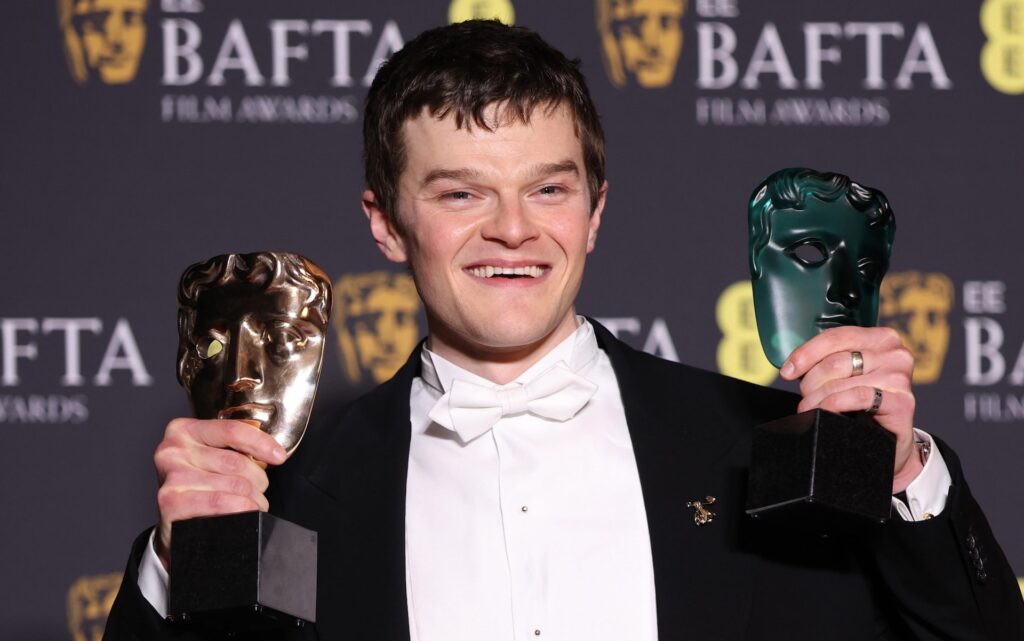
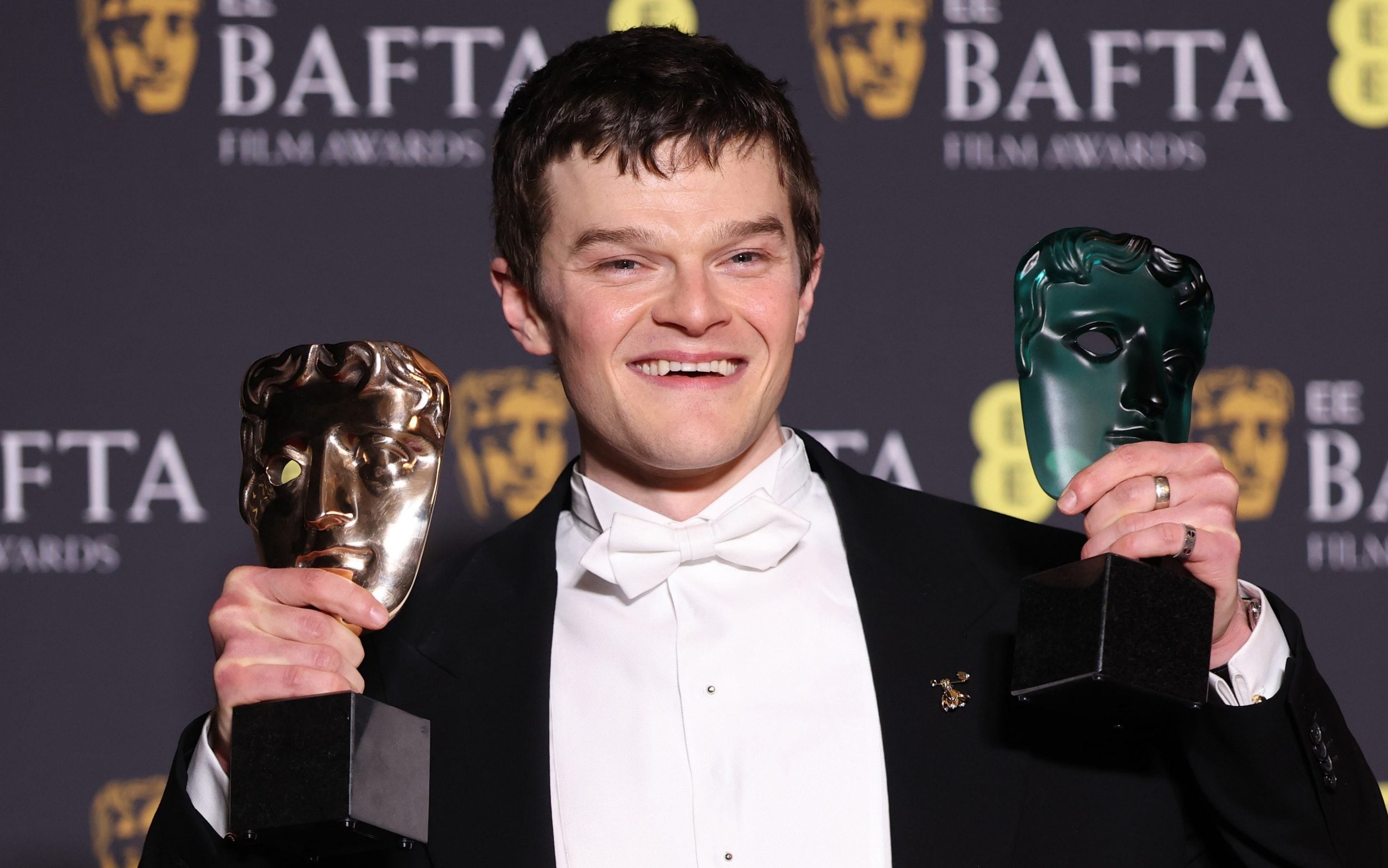
But, but, but: if you squinted, the remainder of the ceremony almost looked patriotic. The Best Actor race furnished us with the most dazzling case in point, after the French-American frontrunner, Timothée Chalamet, was unexpectedly bested by Hull’s own Robert Aramayo – who, minutes earlier, had also won in the Rising Star category, voted for by the general public.
The surprise victory of the 33-year-old star of the biographical drama I Swear, about the Scottish Tourette’s sufferer John Davidson, will now become enshrined as a vintage Bafta zag in anticipation of the Oscars’ surely still set-in-stone zig next month towards Chalamet, the 30-year-old star of Marty Supreme. (Leonardo DiCaprio, also nominated for One Battle After Another, just seemed happy to be there.)
Aramayo’s astonishment at winning was authentically touching – and, while a punchy choice by voters, it may reflect the more rank-and-file members’ delight in I Swear’s considerable word-of-mouth success, despite its humble production and marketing budgets. (It’s believed the film was turned down for funding by both Film4 and the BBC.)
From an initial outlay of around £2.8m – some of which was raised by its writer and director Kirk Jones selling his Buckinghamshire house of 30 years and downsizing to Bristol – it took £6.2m in UK cinemas across an unusually long 16-week run.
Its treble Bafta success (in addition to Aramayo’s two awards it also won Best Casting) serves as a neat final scene of a classic British underdog story. Still, it’s hard not to feel a twinge of sorrow for Chalamet, who would have at least been able to console himself with a bite of the giant Jammy Dodger host Alan Cumming handed to the actor’s girlfriend, Kylie Jenner, during a snack-based mid-ceremony skit.
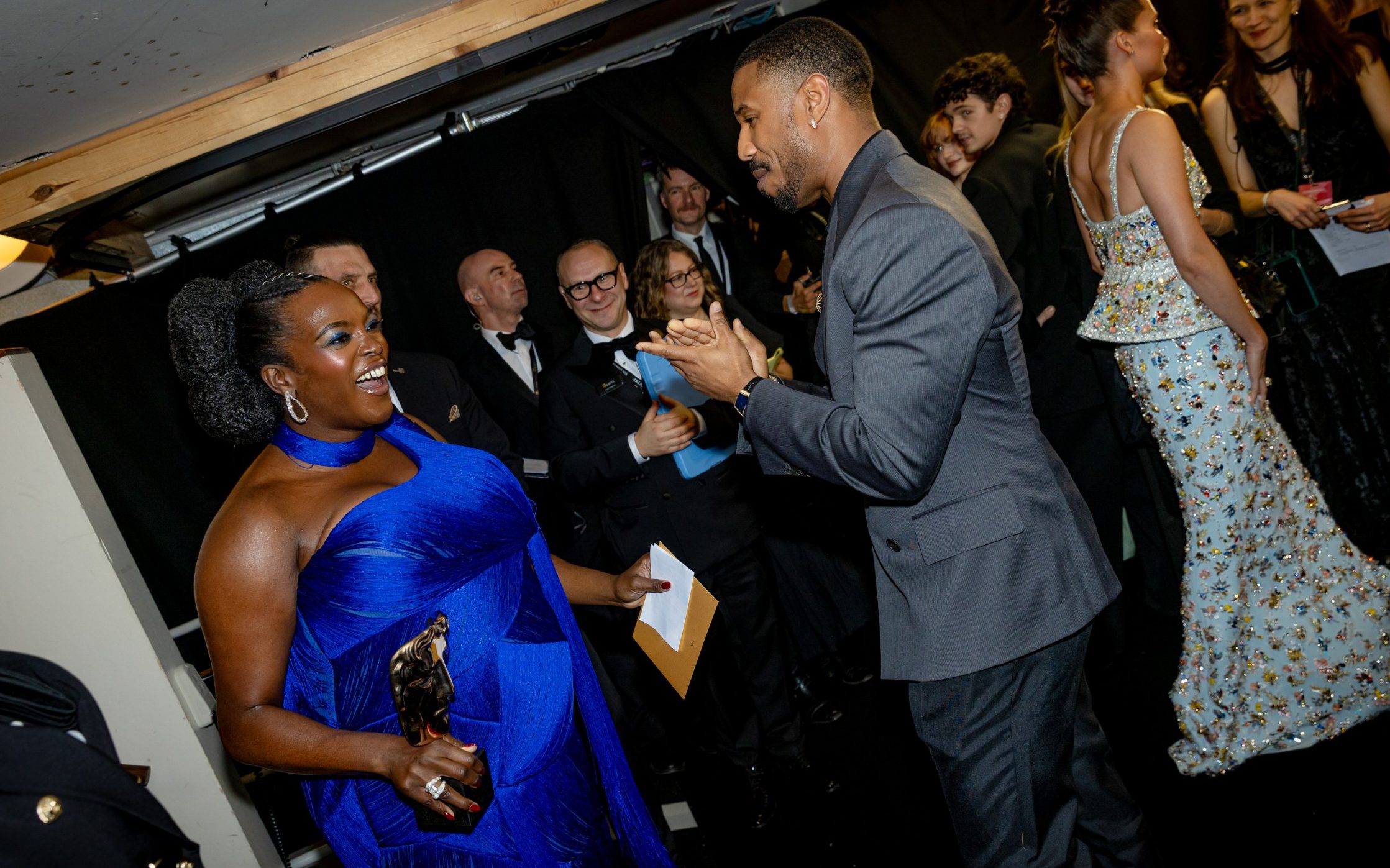
And the home team continued to thrive in Best Supporting Actress, which was taken by Manchester’s Wunmi Mosaku (who moved to the UK from Nigeria when she was one year old) for her performance as the supernaturally attuned ex-wife of one of Michael B Jordan’s bootlegging identical twins in Sinners. Along with Aramayo, this broke Bafta’s three-year streak of selecting only non-British acting winners: few expected it to happen, and it’s an encouraging sign of independent thinking that it did.
There were, of course, no shocks in Best Actress, where Ireland’s Jessie Buckley carried the day for her soul-baring performance as William Shakespeare’s wife Agnes Hathaway in Hamnet. Buckley, 36, had been the favourite here ever since critics first staggered out of Hamnet’s premiere last August, blubbing into their notebooks. Hamnet itself won Outstanding British Film over a wide-ranging field that also featured Bridget Jones: Mad About the Boy, I Swear, The Ballad of Wallis Island (another low-key word-of-mouth success story) and the rampaging zombies of 28 Years Later. That double-edged honour seemed to cement Hamnet’s fate in Best Film, however: we liked it exactly this much, voters said, but no more.
Given the roughly 10 per cent overlap between the British and American Academies’ voting bodies, the above makes One Battle After Another the undisputed frontrunner at the Oscars next month. What of Sinners, its equally feted main rival? Ryan Coogler’s southern gothic fable, about vampires descending on a Mississippi juke joint, took away three awards – Best Supporting Actress for Mosaku, Best Score and Best Original Screenplay. Not quite a coup, but certainly respectable, and one more than Hamnet.
How did the results go down in the room? Not well at all, it initially seemed, until the regular expletive-filled outbursts that sounded like heckles were revealed to be tics from Davidson, the subject of I Swear, who had been invited along by the film’s team. Halfway through the ceremony, Cumming told viewers at home and the audience present, which included the Prince and Princess of Wales, where the cries had been coming from, and to ask for understanding. Understanding? For those of us who frequently spend half of these ceremonies cursing under our breath, it was a given.
Recommended
My 10 favourite films of the year (and the three worst)
Read more
Sign up to the Front Page newsletter for free: Your essential guide to the day’s agenda from The Telegraph – direct to your inbox seven days a week.