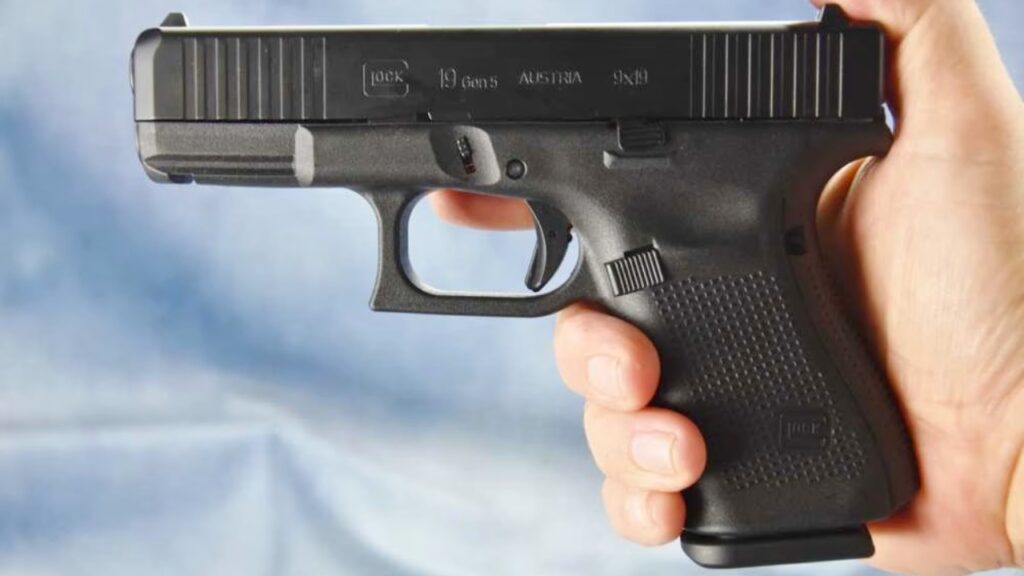

A Glock with fresh sights can look “perfect” on the bench and still slow you down badly in real shooting, especially under time pressure. The reason is that the sight picture you admire in good light is not the sight picture you get when you’re drawing from concealment, moving, shooting in mixed light, or trying to confirm a hit quickly on a partially obscured target. Many shooters choose sights based on aesthetics—thin front, crisp rear, sharp edges, bright colors that look cool in photos—without realizing that speed comes from how quickly the eye grabs the front sight and how quickly the brain can confirm alignment without overthinking. A sight setup that looks right can quietly force you to hunt, hesitate, and over-confirm, and that slows you down more than people want to admit because it feels like “being careful” rather than “being slow.”
The most common “looks right, slows you down” setup is the ultra-thin front sight paired with a tight rear notch and a rear face that is highly reflective or visually busy. In perfect light, it looks precise. In real life, it can disappear against dark targets, create too much visual clutter, and force the shooter’s eyes to work harder to find the front. The shooter then takes an extra beat on every draw to confirm what they’re seeing, and that extra beat stacks across a string of fire until the shooter feels behind the gun. The shooter blames their draw or their nerves when the truth is the sight picture is not optimized for fast acquisition and fast confirmation in real conditions.
Why “precision-looking” sights are often slower than practical sights
Precision sights are built to let you hold a fine point and avoid covering too much target, which can be great for slow fire and bullseye-style shooting. Practical shooting—especially defensive-style shooting—often rewards fast acquisition and clean confirmation on targets that are not tiny and not perfectly lit. A front sight that’s too thin can be hard to pick up quickly, and a rear notch that is too tight can make alignment feel fussy when you’re moving fast. The shooter ends up trying to center a needle in a tiny window rather than driving a clear front post into a usable notch and breaking the shot. That’s why some shooters shoot faster and more accurately with a slightly wider front and a slightly wider rear notch, because the sight picture becomes clearer sooner and the shooter can accept it without over-correcting.
Another issue is contrast. A front sight that is blacked out can work fine in daylight but can vanish indoors, and a bright front that blooms too much can cover more of the target than expected and cause the shooter to “center the glow” rather than the actual post. The goal is not “prettiest sight picture.” The goal is “fastest sight picture you can trust.” If you have to hunt for the front sight at the moment of truth, you will slow down, and if you start pressing shots the instant you think you saw it, you will miss in ways that feel confusing. The right sight setup reduces both problems by making the front easy to find and the alignment easy to confirm.
A carry sight setup has to work in mixed light and messy backgrounds
Carry guns live in the real world, and the real world includes shadows, indoor lighting, dark clothing, bright sunlight, and backgrounds that are rarely clean. A sight setup that only looks good against a bright paper target in full sun is not a serious setup for speed. This is where many “cool” choices fail: glossy rear faces that reflect light, fiber optics that are too bright and distracting in sunlight, and rear notches that are too tight for rapid work. The shooter ends up seeing “too much” or “not enough” at the wrong moments, and the visual process becomes inconsistent. Consistency is what makes speed feel calm, because you know what you’re going to see and what you’re going to accept before you even press.
If you want to know whether your sights are slowing you down, you don’t need a complicated test. Run repeated draws on a realistic target in different lighting and pay attention to whether you immediately see a usable front sight or whether you’re searching. If you find yourself pausing to confirm because the sight picture feels finicky, your sights may be too precise for your role. If you find yourself missing because you pressed before you had true alignment, your sights may not be giving you a clear enough picture fast enough. The best practical sight setups don’t feel dramatic. They feel easy, and ease is speed.
Choose sights for fast acquisition and honest confirmation, not for looks
A Glock sight setup should be evaluated by how it performs under time and under imperfect conditions, not by how it looks in a photo. If your sights force you to hunt, hesitate, or over-confirm, they are costing you time, and that cost shows up in slower draws, slower follow-up shots, and more mental noise during shooting. A practical setup makes the front easy to find, keeps the rear uncluttered, and provides a sight picture you can accept quickly without feeling like you’re threading a needle. When your sights work with your eyes instead of making your eyes work harder, you shoot faster and you feel calmer doing it, which is exactly what you want from a pistol you actually carry.
The post The Glock sight setup that looks right but slows you down appeared first on The Avid Outdoorsman.