9 hotel room red flags that could cost you money – leave immediately if you notice number 2
Most people drop their bags, kick off their shoes, and don’t give the room a second thought. It feels clean enough, the key card worked, and the bed looks inviting.
That’s exactly the kind of relaxed trust that can cost you money, your privacy, or your health before checkout. Hotels handle an enormous volume of guests, and even well-rated properties can have issues that slip through the cracks.
The high turnover of guests is challenging to manage, and while we’d like to think nothing goes undetected, standards can and do slip. Before you settle in, take five minutes to walk the room with fresh eyes.
What you find might surprise you.
1. Visible Signs of Poor Cleanliness in Common Areas and the Room Itself
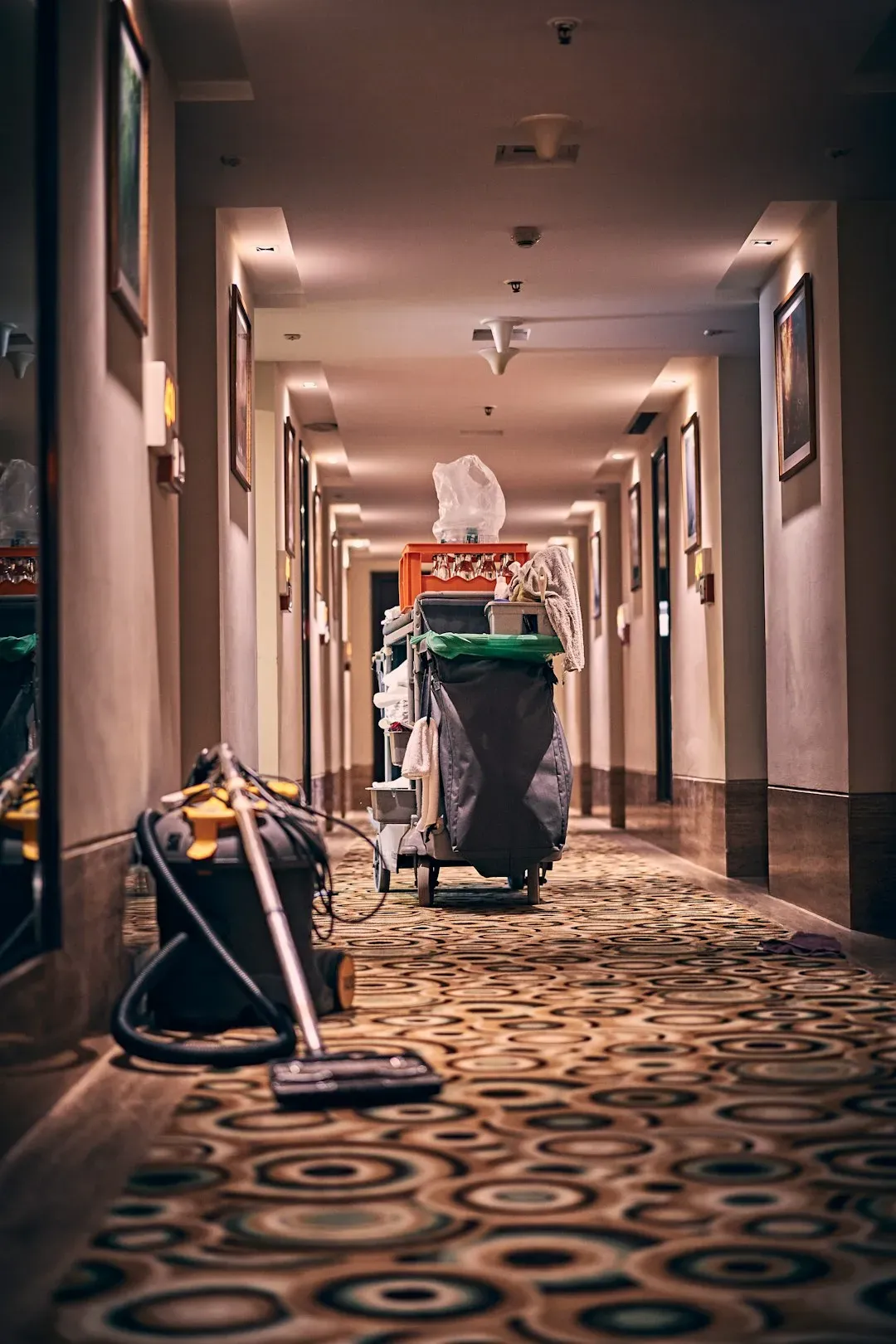
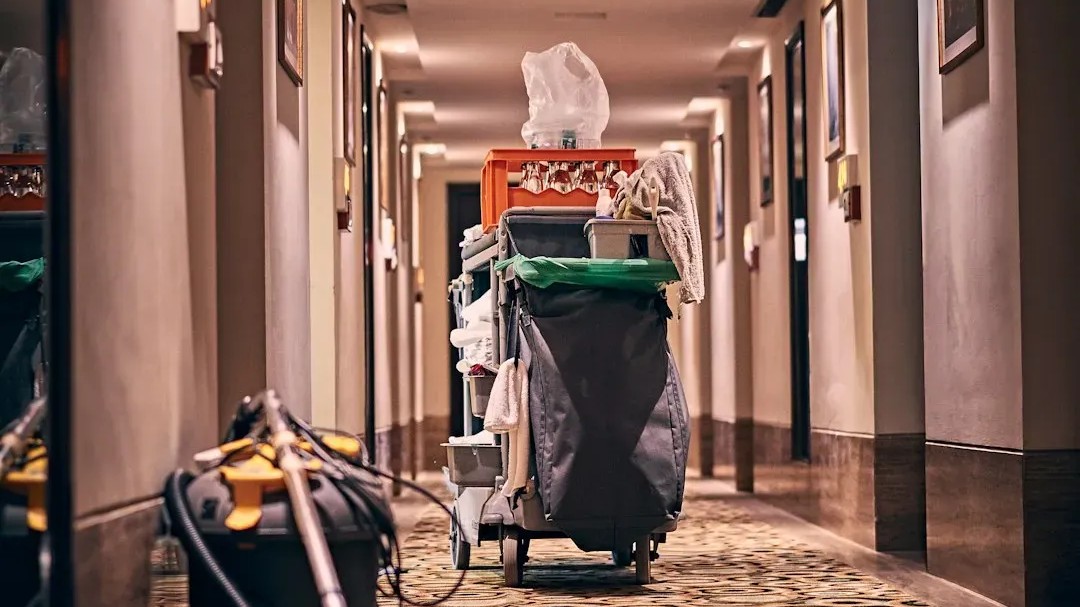
The state of the hallways and lobby tells you a lot before you even open your door. Travel experts advise assessing the hotel lobby and checking for dirt, stains, and discolorations when you enter, as these can be red flags.
If the elevator carpet is grimy and the corridor smells musty, the rooms likely aren’t getting much better treatment. When you enter the room, look for stains and whether the carpet has been vacuumed.
The bathroom is especially important: check the shower curtain or the glass shower panel, which should be spotless. Running a finger along the headboard or countertop is a quick and useful test.
If it comes back dusty, housekeeping isn’t going deep enough. That’s a legitimate reason to request a different room or ask for housekeeping to come back before you unpack.
2. Signs of Bedbugs on the Mattress or Headboard

This is the one that warrants immediate action. A 2024 survey by The Sleep Doctor found that roughly one in seven U.S. travelers had a bedbug experience while traveling, and alarmingly, one in five of those reported encounters came from five-star hotels.
No price tier is completely immune. Pull back the sheets and inspect the mattress seams, the headboard, and the corners of the box spring for tiny rust-colored spots, shed skins, or the insects themselves.
Hotels do attempt to prevent the spread of bedbugs by changing linens after every stay, but the insects sometimes go undetected because they cling to upholstery and other materials. If you see anything suspicious, do not sleep in the room.
Bedbugs travel home with you in your luggage and clothing, and treating an infestation in your own home is a far more expensive and stressful problem than switching hotels. Because suitcases pick up pests from floors and carpets, keep your bag elevated on a hard rack rather than setting it on the bed or carpet while you investigate.
3. A Door That Doesn’t Lock Properly
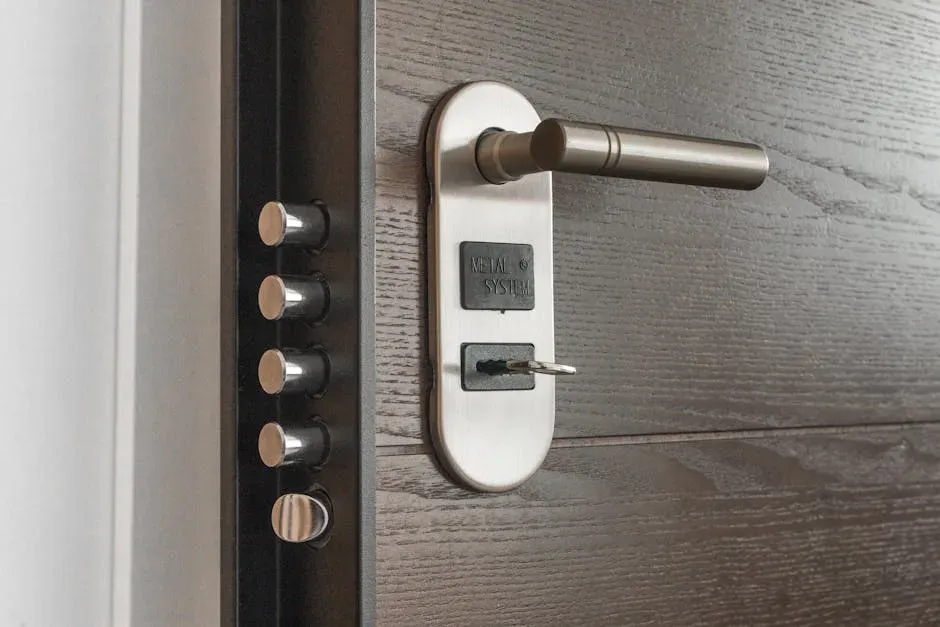
Check the deadbolt on the door, window latches, and any sliding door locks to ensure they are functioning properly. If they’re damaged or faulty, ask the front desk to assign you another room.
A deadbolt that sticks, a chain lock that hangs loose, or a door that doesn’t fully close is not a minor inconvenience. It’s a genuine security gap that can expose you to theft or worse.
If you notice signs of wear on any of your locks, try to get a different room or don’t stay at the hotel. Travelers who want an extra layer of protection often pack a small rubber door wedge alarm, which can be placed under the door at night.
A small wedge doorstop alarm can be tucked under your hotel door to make it harder to open from the outside and will emit a loud noise if someone tries to force entry. It’s a cheap gadget that’s genuinely worth carrying.
4. Suspicious Objects That Could Conceal a Hidden Camera
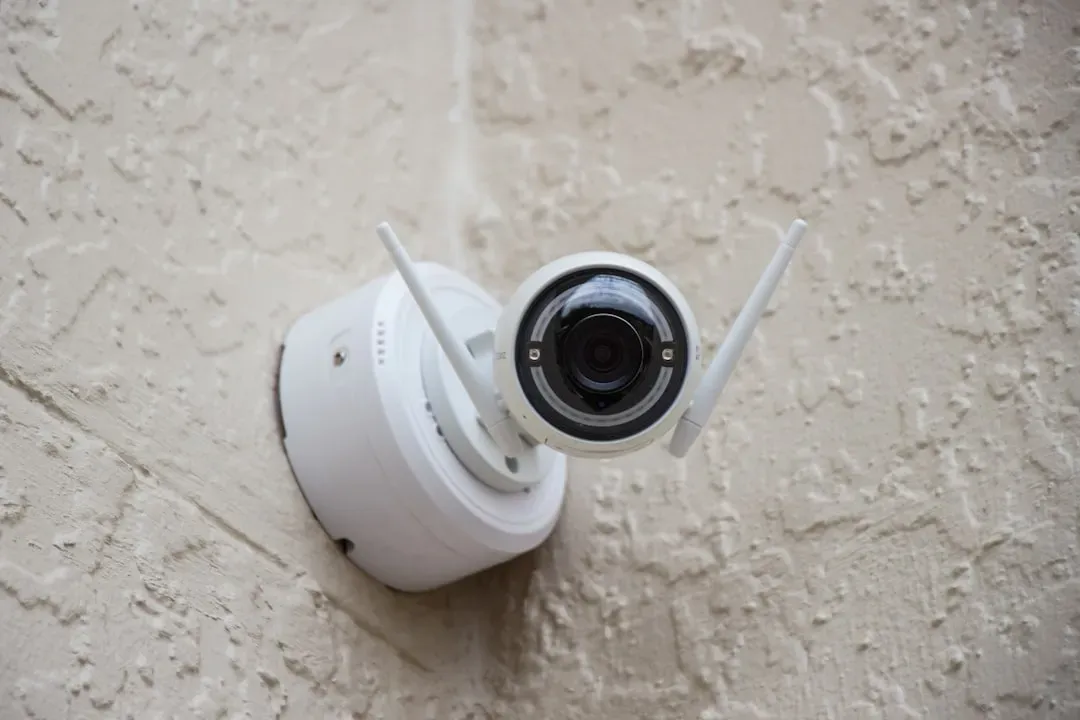
Spy cameras in hotels and vacation rentals are becoming a growing problem, and security experts are now advising travelers on how to protect themselves. Mini cameras are now small enough to be hidden in everyday objects like smoke detectors, chargers, and alarm clocks, and the devices are becoming increasingly sophisticated and cheaper, which lowers the threshold for misuse.
This is no longer a paranoid concern reserved for thriller movies. Experts recommend examining rooms for tiny holes in walls, strangely placed decorations, or screws that look out of place.
You can also scan your local network for suspicious device names, as many cameras appear in connected device lists. Your phone’s camera can even make infrared light visible, which is invisible to the naked eye.
Pay special attention to smoke detectors and mirrors. Two-way mirrors look normal from one side but allow a transparent view from the other.
Place your fingernail on the mirror: there should be a small gap between your nail and its reflection. If they’re touching, you may be looking at a two-way mirror.
5. Unsecured or Unlocked Windows and Sliding Doors
If you have sliding doors or windows, always check that they are locked. Experienced travelers report finding them unlocked far more often than you’d expect.
Ground-floor rooms with exterior-facing windows or balcony doors are the most vulnerable, and this is where a quick check can genuinely matter. Balconies create additional risk for easy intrusion when windows and sliding doors are not secured.
If they lack secure, functioning locks and you can’t get another room, find a different hotel if you can. The fix is straightforward once you know to look.
Many travelers use a simple wooden dowel or a cut broomstick placed in the track of a sliding door to prevent it from being forced open. It’s low-tech but effective.
One timeless safety tip is to avoid ground-floor rooms when possible, as first-floor rooms are less safe due to their exposure to foot traffic from the hotel lobby.
6. The Hotel’s Wi-Fi Network Asks for Unusual Permissions or Credentials
It may be fine for casual browsing, but steer clear of a hotel’s public Wi-Fi when banking or shopping online. Some hotels’ Wi-Fi providers don’t use encryption technology, putting sensitive information like credit card numbers at risk.
Using a virtual private network encrypts your data and makes public hotspots significantly safer. This is one risk that’s completely invisible to the naked eye but can cost you real money.
Be especially cautious if the network you’re connecting to asks for a login beyond a simple room number and last name. Spoofed networks and communications can appear to come from legitimate booking platforms, sometimes requesting urgent changes to a reservation or payment method.
When in doubt, use your phone’s mobile data for anything financial and save the hotel Wi-Fi for streaming.
7. Bedspreads or Decorative Pillows That Look Rarely Washed
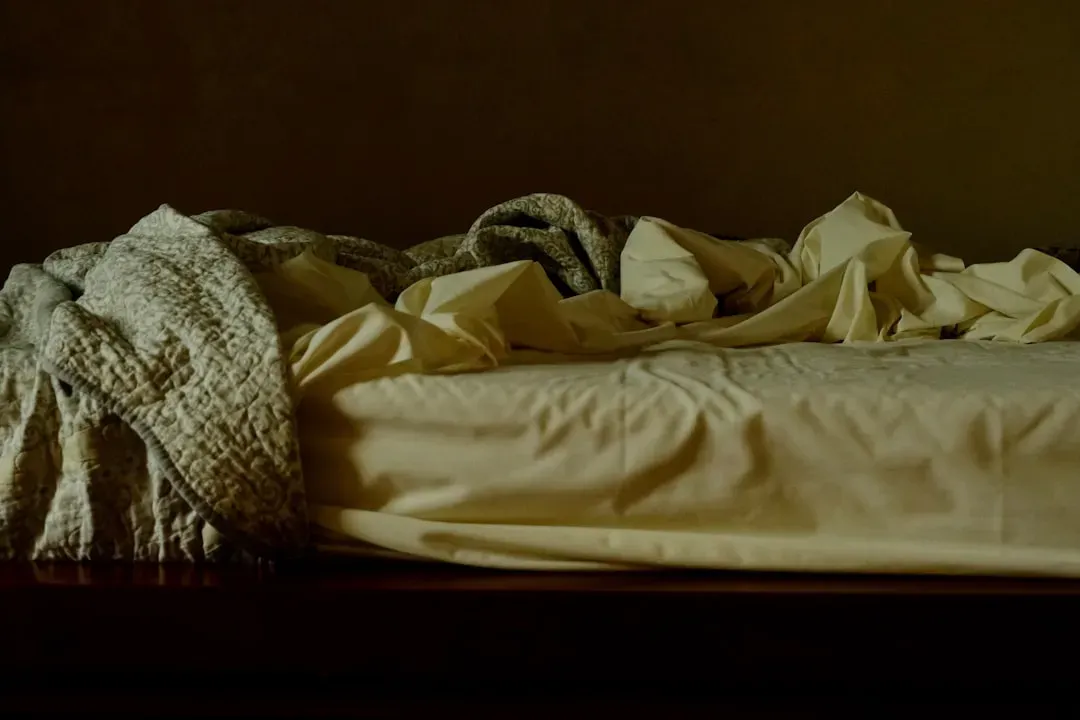
While a plushy bedspread or duvet may look nice and clean, the truth is less reassuring. Unlike pillowcases and sheets, which are washed after each guest, bedspreads are often treated as decoration and aren’t regularly cleaned between guests.
This applies even at well-reviewed properties. It’s one of the more consistent cleanliness oversights across the industry.
The practical response is simple: fold the bedspread to the bottom of the bed or set it aside entirely as soon as you arrive. The same logic applies to decorative throw pillows, which almost never go through the laundry.
Frequently touched objects like remote controls are also often overlooked and can harbor a significant level of microbes and germs. Wiping them down with a disinfecting wipe before use is an easy and worthwhile habit.
8. Unexpected Charges or Vague Fees on the Room Bill
Pay close attention to communication and billing details. Be wary of unusual payment requests, such as wire transfers, prepaid cards, or payment through untraceable methods.
The same vigilance applies to the itemized bill at checkout. Resort fees, mandatory gratuities, and “facility charges” often appear in the fine print but aren’t always disclosed upfront during booking.
Always review your bill line by line before handing over your card. If a charge looks unfamiliar, ask about it immediately at the front desk before checking out, not after you’ve left the property.
Disputing charges remotely is slower and less reliable. Scam-adjacent policies often include vague or misleading cancellation terms that make refunds nearly impossible, while legitimate platforms offer transparent policies.
The moment you notice a charge that doesn’t match your booking confirmation, treat it as something to resolve on the spot.
9. An Adjoining Door That Isn’t Properly Secured
If your room has a connecting door, make sure it is properly secured. Travel security experts recommend wedging it closed with a doorstop for added assurance, especially in regions where room locks may not be the most robust.
Adjoining rooms are convenient for families, but they create an additional entry point that many guests never even think to check. Give the door a firm push to confirm it’s latched from your side.
Don’t open the door to unannounced visitors, either. Many room invasions could have been avoided by not trusting people who visit without warning.
A common tactic used by bad actors is to impersonate a maintenance person, bellman, or housekeeper. If anyone knocks unexpectedly, call the front desk before opening the door to confirm the visit is legitimate.
It takes thirty seconds and it matters. Taking a few minutes to inspect a hotel room isn’t excessive caution.
It’s just informed travel. Most stays are completely uneventful, but the red flags above are well-documented, real, and in many cases entirely preventable.
A quick scan of the locks, the bedding, the mirrors, and the bill can save you from financial loss, health issues, or worse. That walk-through is easily the most useful five minutes of any check-in.
Read Next:
- 15 Parenting Myths That Are Actually Harmful