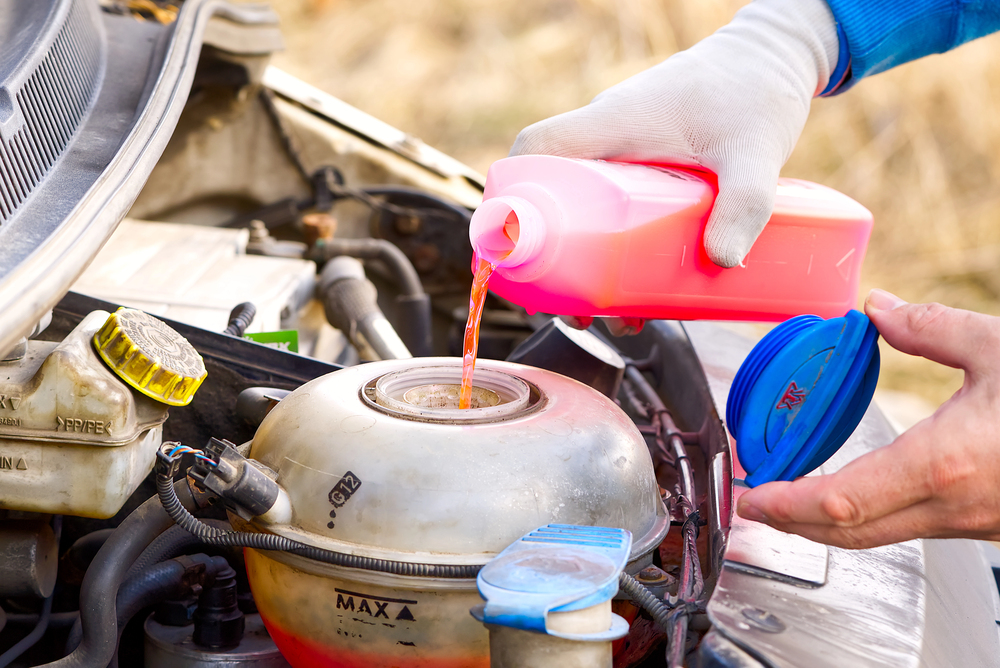

The debate over red versus green coolant is a common one among car owners, especially with the wide array of options available on the market today. While color might seem like a simple differentiator, the reality is that these coolants are formulated with distinct chemical compositions that impact their performance, lifespan, and compatibility with different engine components. Understanding these differences is crucial for maintaining your vehicle’s cooling system and preventing costly repairs.
Red vs. Green Coolant: A Comprehensive Comparison
At its core, the choice between red and green coolant boils down to the specific needs of your vehicle’s engine and cooling system. Automakers meticulously engineer their vehicles around the chemical additives present in the recommended coolant. Using the wrong type or mixing incompatible coolants can lead to serious issues like sludge formation, overheating, and significant engine damage.
Chemical Composition and Additives
The primary distinction between red and green coolants lies in their additive technologies.
- Green Coolant: Often referred to as Inorganic Acid Technology (IAT), green coolant relies on silicates and phosphates. These additives are quick to coat metal surfaces, providing immediate corrosion protection. However, they break down more rapidly, necessitating more frequent replacement, typically every two to three years.
- Red Coolant: Known as Organic Acid Technology (OAT), red coolant utilizes organic acid inhibitors instead of silicates. These additives react more slowly but offer a significantly longer service life, often extending up to five years or more. Some formulations, known as Hybrid Organic Acid Technology (HOAT), blend organic acids with a limited amount of inorganic additives for a balanced approach.
The fundamental difference here is longevity and stability. While green coolant offers rapid initial protection, red coolant provides extended service intervals and greater resistance to additive depletion.
Corrosion Protection and Inhibitors
The way each coolant type combats corrosion also differs:
- Green Coolant: It forms a protective barrier across metal surfaces using silicates and phosphates. This is particularly effective for older engines with cast iron or copper components. The downside is that this protective layer degrades faster, requiring more frequent fluid changes.
- Red Coolant: This type targets corrosion at specific sites using organic acids, rather than coating the entire system. This approach provides longer-lasting protection, especially beneficial for modern engines that predominantly use aluminum. The slower depletion of its additives means it maintains effectiveness over extended periods.
- HOAT Coolants: These combine the benefits of both, offering a thin silicate layer for immediate protection alongside the long-term stability of organic acids. This makes them a versatile option for cooling systems with a mix of metal components.
Compatibility With Cooling Systems
The material composition of your vehicle’s cooling system is a key factor in coolant selection:
- Green Coolant: Generally recommended for older vehicles constructed with brass, copper, and cast-iron components. Its fast-acting inhibitors are well-suited for engines built before the mid-1990s. Using it in newer systems with aluminum parts can accelerate wear.
- Red Coolant: Ideal for modern engines that heavily feature aluminum and plastic components. Its slower-reacting inhibitors are more compatible with these materials, reducing the risk of silicate drop-out and abrasive deposits.
Mixing red and green antifreeze is strongly discouraged. Their additives can react negatively, compromising corrosion protection and significantly shortening the lifespan of the coolant. Always adhere to the manufacturer’s specified coolant type.
Performance and Longevity
The choice of coolant directly impacts your vehicle’s performance and the longevity of its cooling system components.
Lifespan and Maintenance Intervals
- Green Coolant (IAT): Typically requires replacement every 2 years or approximately 30,000 miles. Its protective additives deplete more rapidly, necessitating regular service to prevent scale buildup and internal corrosion.
- Red Coolant (OAT): Often marketed as extended-life coolant (like Dex-Cool), it boasts service intervals of up to 5 years or 100,000 miles. This reduces the frequency of coolant changes, potentially lowering long-term maintenance costs, despite a higher initial purchase price.
Mixing these types is ill-advised, as it can lead to sludge formation, reduced cooling efficiency, and a shortened service life for the coolant.
Impact on Water Pump and Radiator Life
The additives within coolant play a direct role in the lifespan of your water pump and radiator:
- Green Coolant: The silicates and phosphates provide quick protection but wear down faster. This can lead to deposits within aluminum radiators and shorten the lifespan of water pump seals.
- Red Coolant: By avoiding silicates and using organic acids, it creates a slower-acting protective layer that tends to reduce wear on water pump bearings and extend radiator service life, particularly in vehicles with aluminum components.
Failure to maintain the correct coolant type or adhere to service intervals can result in clogging, cavitation, or premature failure of cooling system parts for both types.
Temperature Stability and Cooling Efficiency
- Green Coolant: Offers traditional freeze and boil protection but with a narrower stability range. It functions adequately for older engines but may struggle under prolonged high-temperature operation.
- Red Coolant: Often exhibits a higher boiling point and superior heat transfer capabilities. This makes it more effective for modern engines that operate at higher temperatures and require consistent cooling over extended periods. In extreme climates, its enhanced protection against both overheating and freezing can minimize thermal stress on the cooling system.
Choosing the Right Coolant for Your Vehicle
Selecting the correct coolant is a critical decision that involves several factors.
Manufacturer Recommendations and Compatibility
Vehicle manufacturers specify coolant types based on the materials used in the engine and cooling system design. Modern vehicles with aluminum radiators commonly require red coolant formulated with OAT for extended corrosion resistance. Older vehicles often use green coolant (IAT) with silicates and phosphates, but with a shorter service life. Using the incorrect coolant can lead to premature wear, gasket damage, or compromised corrosion control. Always consult your owner’s manual or the coolant reservoir label.
Risks of Mixing Coolant Types
Mixing red and green coolant is highly discouraged due to potential chemical reactions that can create sludge and deposits. These can obstruct coolant flow, impede heat transfer, and increase the risk of overheating. If accidental mixing occurs, a complete system flush and refill with the correct coolant type is the safest solution.
Cost Considerations and Availability
- Green Coolant: Generally less expensive and widely available. However, its shorter service life (2-3 years or 30,000 miles) leads to higher long-term maintenance costs due to more frequent replacements.
- Red Coolant: Tends to have a higher upfront cost but offers a longer service interval (5 years or 100,000 miles). This extended lifespan can offset the initial price difference by reducing the frequency of coolant changes.
Environmental and Safety Considerations
- Toxicity and Handling: Most coolants, both red and green, contain ethylene glycol, which is highly toxic if ingested. Propylene glycol is a less toxic alternative but still requires careful handling. Always wear gloves, avoid spills, and store coolant in clearly labeled containers out of reach of children and animals.
- Disposal and Environmental Impact: Improper disposal of coolant can contaminate water supplies and harm aquatic life. Green coolant, with its shorter lifespan, generates more waste. Red coolant, due to its extended service life, reduces disposal frequency. It’s essential to use designated recycling centers or auto shops for proper disposal.
By understanding these distinctions and following manufacturer recommendations, you can ensure your vehicle’s cooling system operates efficiently and reliably for years to come.