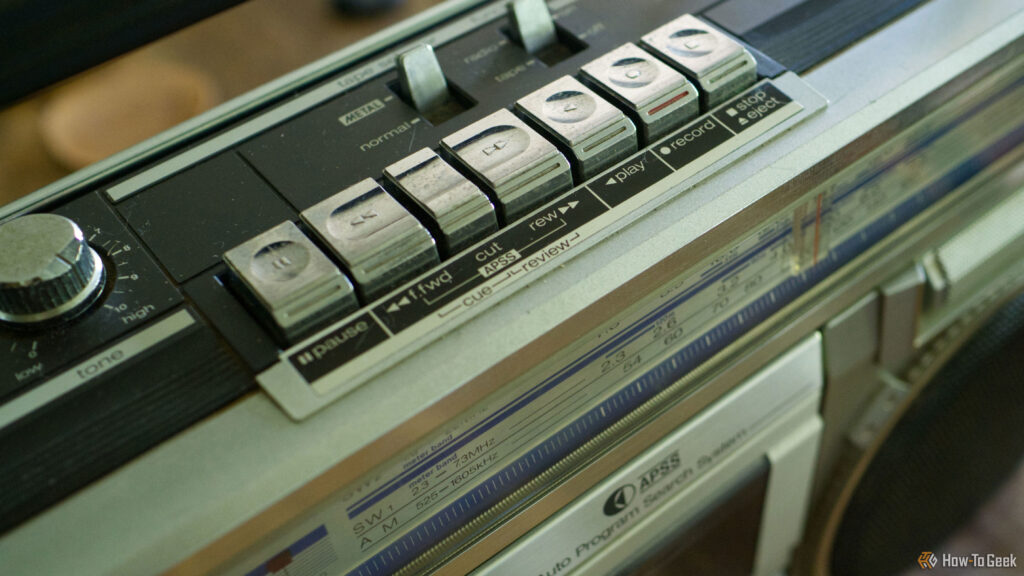

Time is not kind to electronics. So what if you were to help revive or upcycle a piece of tech history, while learning a thing or two along the way?
Here are some items to keep an eye out for, and some ideas on how to give them a new lease on life.
Boomboxes from the 80’s
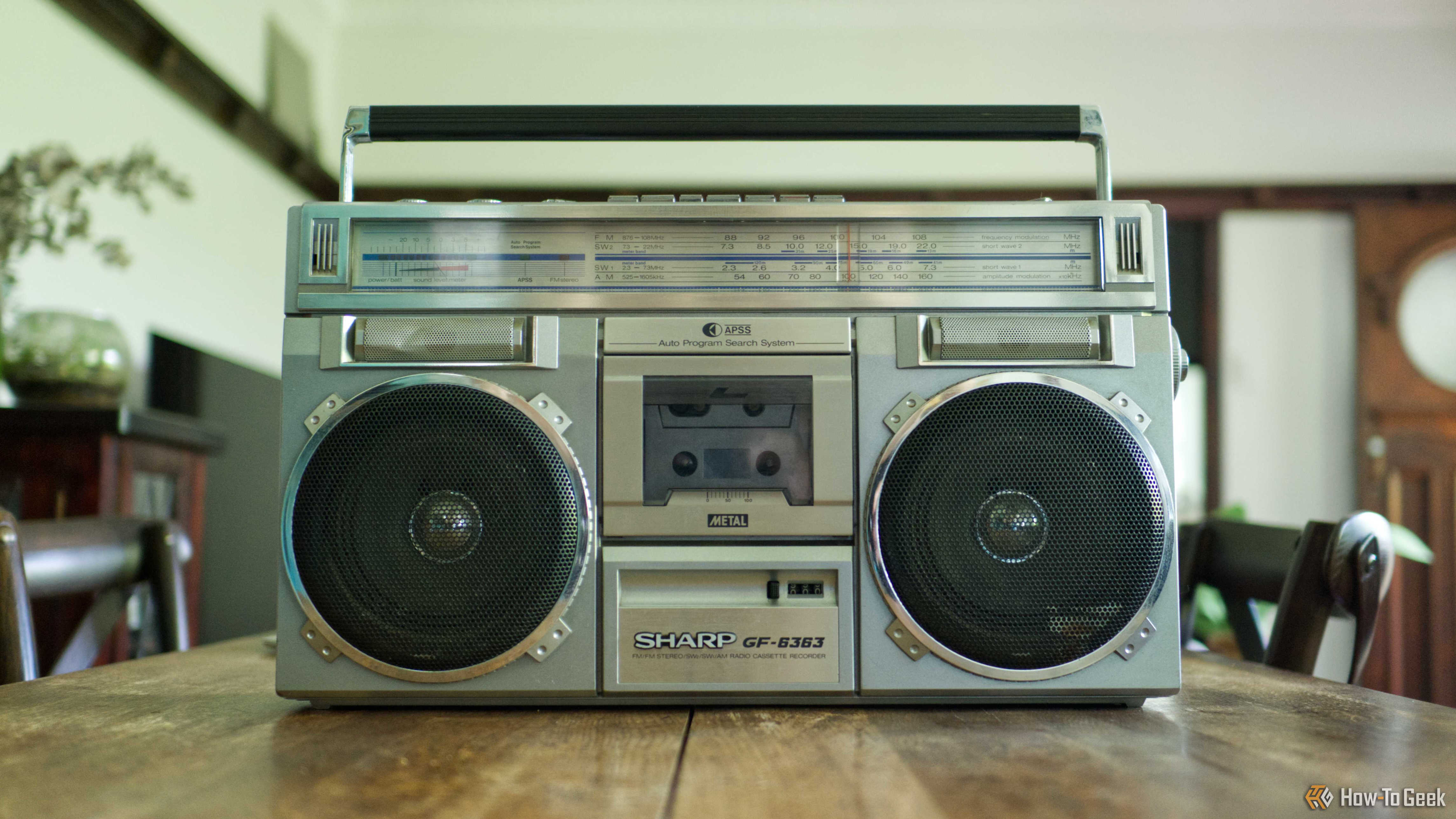
I’m lucky enough to have two vintage Sharp boomboxes from the 80s, and both of them are still working. One came from a family member’s house, and another was found by the side of the road. While both are functional, neither is in ideal condition.
The chunky boomboxes of the 80s are officially cool, with many sought-after models from pioneers of portable audio like JVC, Sanyo, Sharp, Panasonic, AIWA, Sony, and York. But half a century on, many of them need a service to sound their best after falling victim to damp basements and musty storage units.
Scratchy volume knobs are common, as dust and other debris make their way into the potentiometers. You can clean these with contact cleaner like DeoxIT, but you may also need to replace them entirely. On top of this, many of the cassette decks will need new belts and playheads if you ever want to use them again. The Tapeheads forum is an excellent place to start.
For models that are too far gone, there are options. You could replace the speakers and amplifier with a homegrown effort like a Raspberry Pi with a DigiAMP+ HAT. You could then drive your project with a suitably powerful rechargeable lithium-ion battery pack, and add Bluetooth or even AirPlay.
At the end, you should have a beautiful display piece that actually functions.
Early home computers
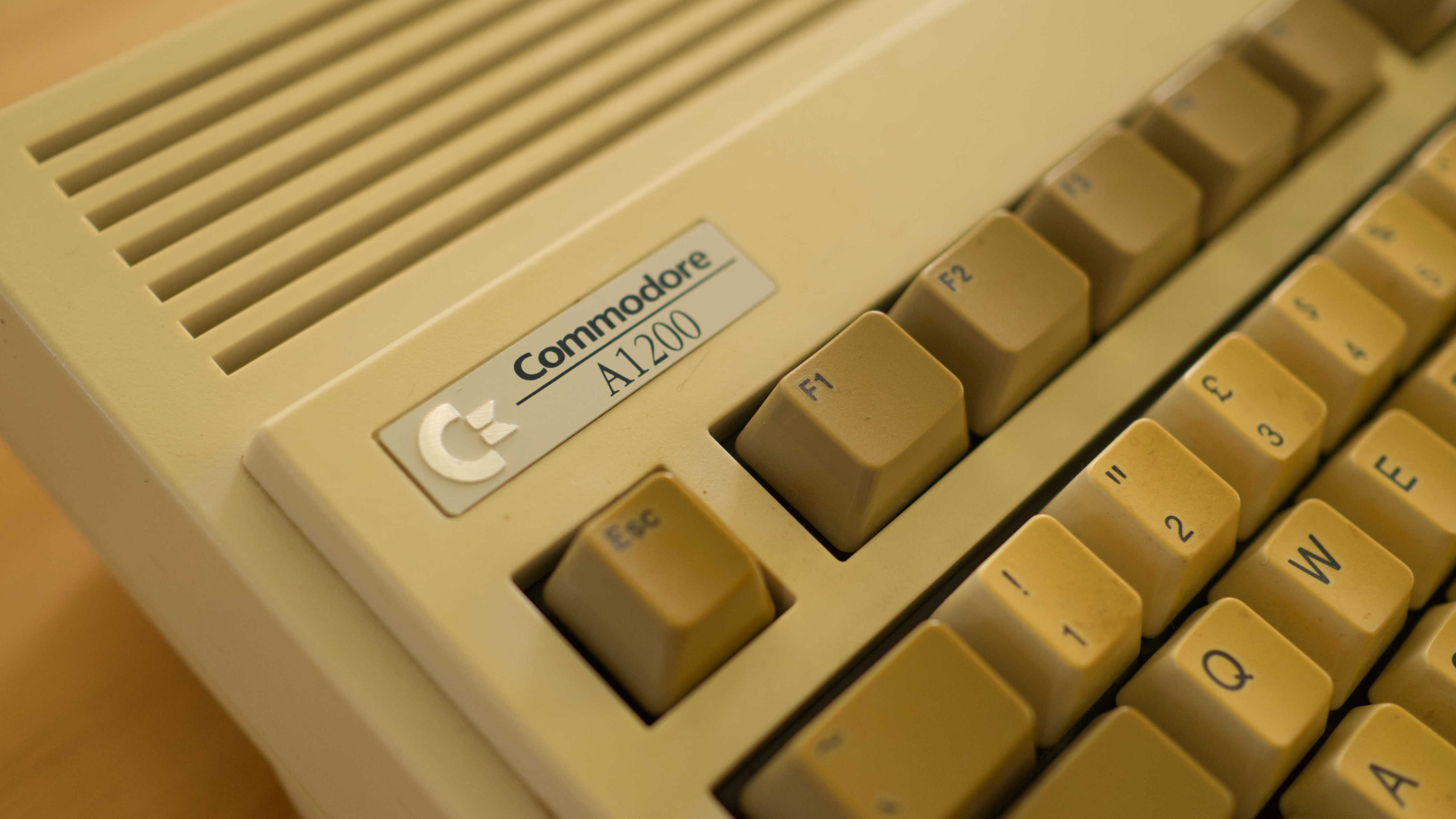
Home computers predate the modern PC and typically used all-in-one designs that found favor with the likes of Commodore (Amiga), Amstrad, Sinclair, Tandy, Radio Shack, and Apple. They’re pitifully slow by today’s standards, but they’re undeniably stylish and absolutely worth saving.
My original Amiga 1200 was in storage for years after I moved overseas, and when I finally got my hands on it a few years ago, I discovered that it no longer boots. This could be as trivial as a faulty power supply, or it could be a problem that requires a more involved fix. It’s a project I’m determined to complete one day.
Time and skill are the two biggest hurdles you’re going to face here, though cost could also be a factor. It’d be great to have the support of a friend who knows what they’re doing, or alternatively, join a community of like-minded enthusiasts who are willing to help you out.
At the cheapest end of the spectrum are models that are beyond saving or already salvaged for parts. These often make great candidates for “brain transplants” where the original hardware is swapped out with a single-board computer like the Raspberry Pi, which has itself played an important role in reviving retro computing projects.
At the very least, you’ll be able to get things looking nice and white again by mixing up some Retro0bright.
Vintage “golden age” PCs
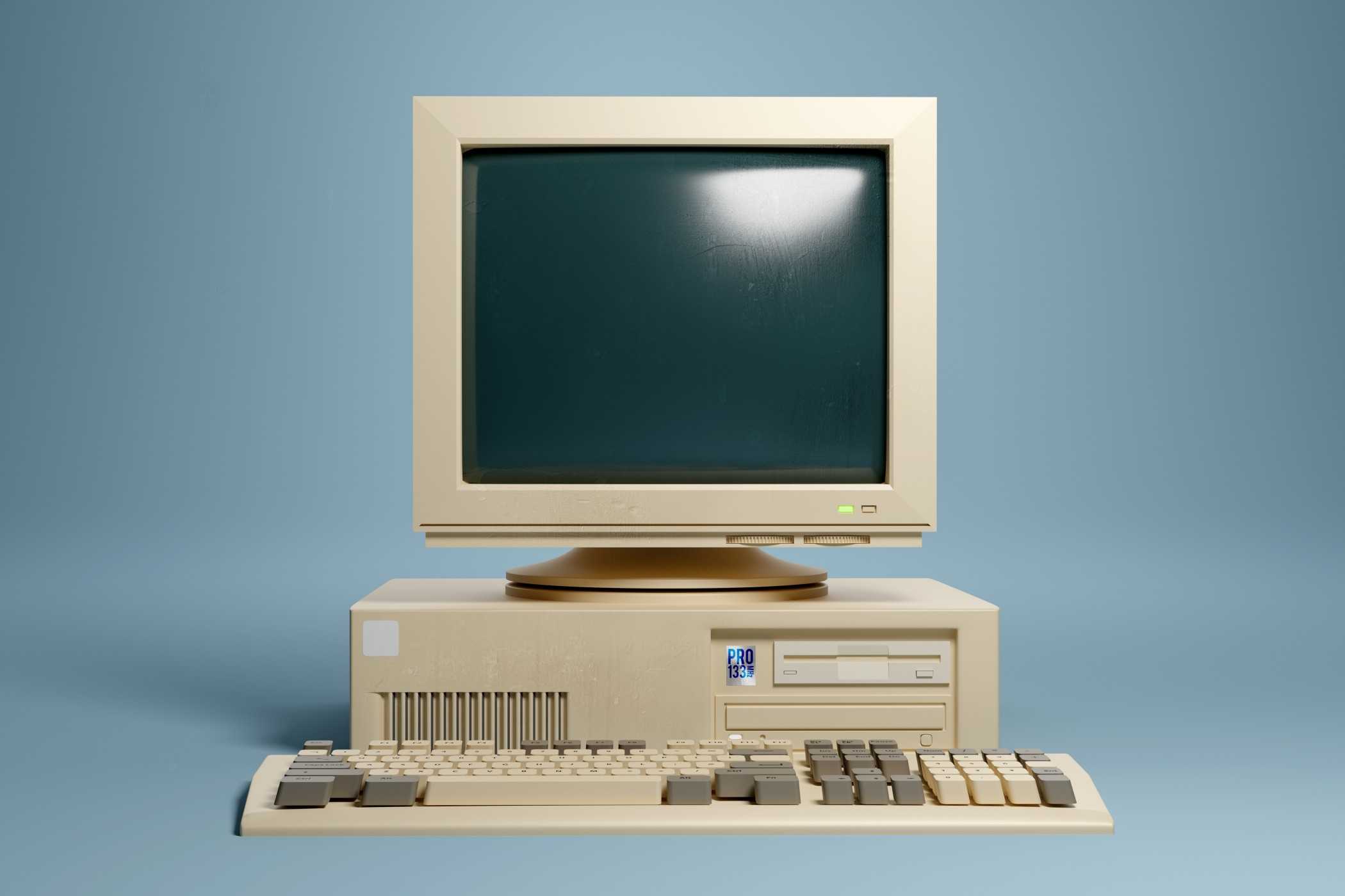
If you long for the days of Windows 98 and find playing old video games on modern platforms unsatisfying, why not build a period-appropriate PC? The old beige vertical towers and horizontal desktop slabs will give you the most authentic 90s and 2000s gaming experience, especially when paired with a nice CRT.
The hobby of building vintage computers has really taken off over the past decade or so, egged on by enthusiast YouTube channels like Digital Foundry and Lazy Game Reviews. There are plenty of old parts available online and in thrift stores, including GPUs, CPUs, sound cards, cases, peripherals, and more.
Since even 20-year-old PCs are modular, swapping out parts makes them easier to triage than other electronics. If you have a bad stick of RAM or a dodgy hard drive, you can simply replace it with another. This makes these projects appealing to those with a thirst for nostalgia and some money to burn.
If you want a statement piece on your desk, a beige box with a turbo button on it might be just what you’re looking for. This could be a fully working retro PC, or it could become your next sleeper PC—a powerful modern computer built into an unassuming form factor.
Even if you can only find a tower, you might be able to repurpose it and get your retro kicks at the same time. Along the same lines, I’ve had my eye on Apple’s stunning metal G5 enclosures for a while. Many of these show up in “not working” condition on Facebook Marketplace, making them perfect candidates for DIY NAS enclosures, homelab racks, or whatever else you’re tinkering with.
Consoles and arcade cabinets
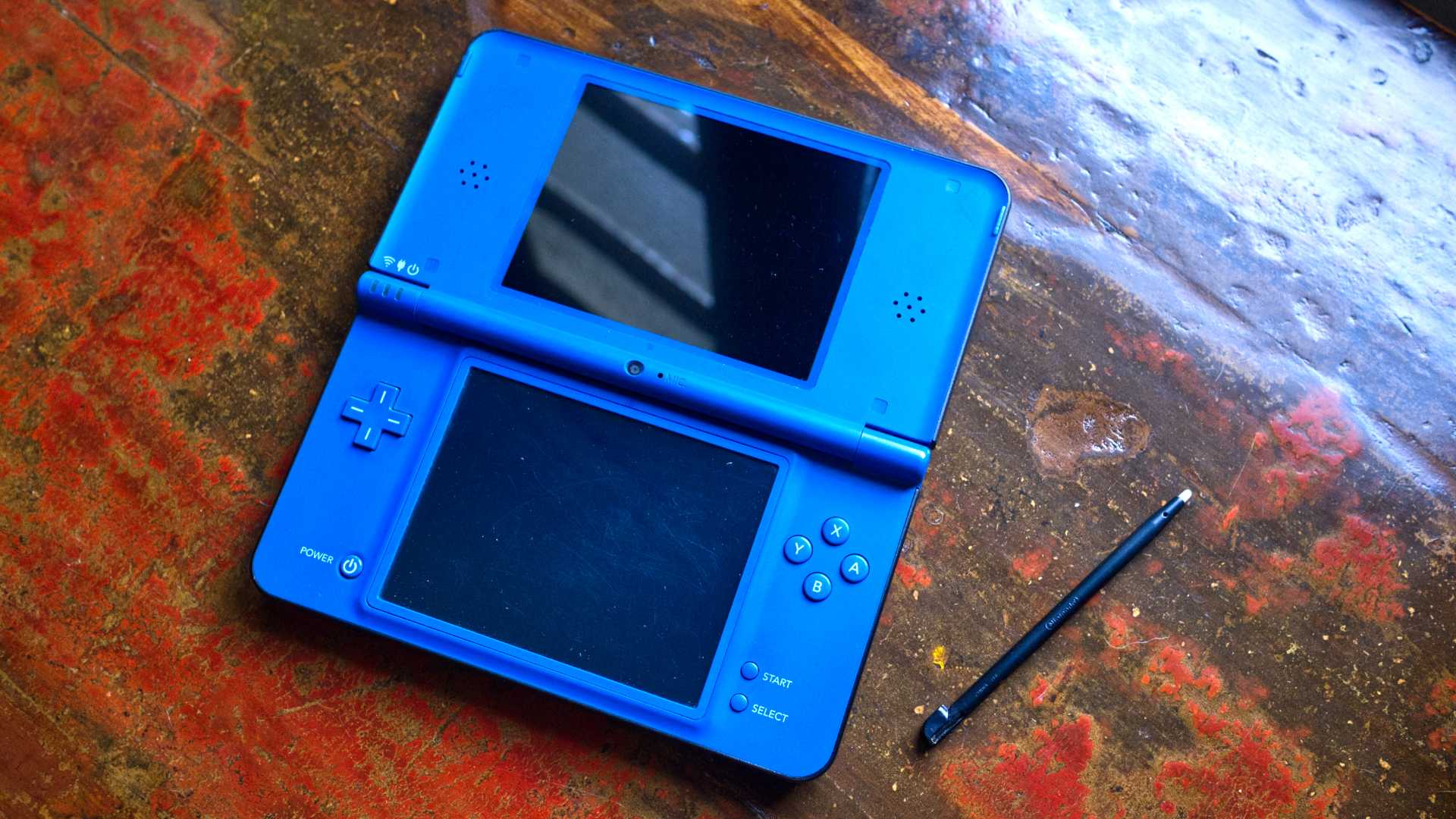
Like early home computers, old games consoles probably aren’t the easiest place to start if you’re new to restoration. Depending on what’s wrong with them, you could find yourself needing to replace capacitors and testing your soldering skills pretty quickly.
That said, there are some more straightforward repairs you might be comfortable taking on. One such example is the GDEMU swap, which involves replacing a Dreamcast’s faulty optical drive (which uses GD-ROMs, not CD-ROMs or DVDs) with an SD card reader that functions in much the same way. The same project is also responsible for Rhea, a Saturn equivalent, though hardware is only released in limited runs.
Portables offer a bit more hope, particularly since it’s often only internal batteries that need replacing. If you’re feeling a little more daring, you can replace original displays with better, backlit versions (a Game Boy Color kit costs $50) and throw in a flash cart while you’re at it.
Arcade cabinets have an obvious cool factor, but are often too big and broken for many to bother with. While restoring an arcade machine with original hardware should always be the goal, a gutted cabinet is going to cost you far less while giving you a great opportunity to build a retro machine.
Grab a Raspberry Pi, mini PC, or build a MISTer with an FPGA chip, source a CRT or go all-out on an OLED panel, and adapt existing controllers or replace them entirely. Linux distros like Batocera and Recalbox were made for this!
We love retro gadgets here at How-To Geek, many of us still use older devices every day and are holding on to plenty of mid-2000s gadgets.