Professional Outdoor Kitchen Packages and Installation Costs Guide
Financial Analysis of Modern Outdoor Culinary Environments
The Evolution of Outdoor Kitchen Budgeting
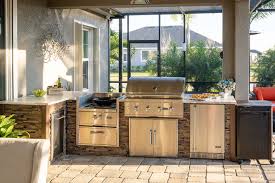
As we move further into 2026, the concept of the backyard has transitioned from a simple lawn to a high-utility extension of the primary residence. Understanding the professional outdoor kitchen packages and installation costs is the first step for any homeowner looking to make a sound financial investment. Unlike standard indoor renovations, outdoor projects must account for geological stability, weatherproofing, and specialized utility routing. The initial price tag often reflects a combination of prefabricated modular units or fully custom masonry builds, each carrying a different weight on the total project budget.
Market trends show that a well-executed outdoor kitchen can recoup between 60% and 100% of its value upon home resale, making it one of the most profitable home improvements. However, the complexity of these projects means that “cost” is not just about the grill. It encompasses the structural framing, the grade of stainless steel used in cabinetry, and the technological integration of smart appliances. By dissecting the professional outdoor kitchen packages and installation costs, homeowners can navigate the difference between a mid-range functional space and a luxury culinary retreat without falling into the trap of hidden expenses.
Core Infrastructure and Utility Routing Expenses
One of the most overlooked aspects of the total cost is the “invisible” infrastructure. Running natural gas lines, electrical circuits, and water pipes to an outdoor island requires licensed professionals—specifically plumbers and electricians who understand exterior codes. These costs can vary significantly based on the distance from your home’s main supply. For instance, extending a gas line 50 feet into a backyard is a vastly different expense than tapping into a line just outside the kitchen door. These utility connections typically account for 10% to 20% of the overall professional outdoor kitchen packages and installation costs.
Furthermore, the foundation or “footing” of the kitchen is paramount. Placing a heavy masonry island on a standard deck is a recipe for structural failure. Professional installers often require a reinforced concrete pad, which involves excavation, gravel base layers, and high-PSI concrete pouring. This structural work ensures that your investment does not shift or crack during seasonal soil movements. When calculating the total professional outdoor kitchen packages and installation costs, one must prioritize these foundational elements to ensure the longevity of the high-end appliances sitting on top of them.
Technological Benefits of Modern Outdoor Kitchen Systems
Advanced Material Science in Weatherproofing
Modern outdoor kitchens leverage significant advancements in material science to combat environmental degradation. High-density polyethylene (HDPE) and marine-grade 316 stainless steel are the technological stars of 2026. These materials are engineered at a molecular level to resist salt-air corrosion, intense UV radiation, and extreme temperature fluctuations. Unlike traditional wood cabinetry that warps or rots, these advanced materials utilize thermal stability technology to maintain their structural integrity and finish for decades. This reduces long-term maintenance costs and ensures that the visual appeal of the kitchen remains consistent with the day it was installed.
The benefit of using these specific technologies lies in their “set and forget” nature. Marine-grade finishes often include nano-coatings that repel water and oils, making cleaning as simple as a quick wipe-down. This is a massive leap forward from older outdoor setups that required constant staining, sealing, or rust-treatment. By investing in professional outdoor kitchen packages and installation costs that prioritize these materials, you are essentially buying time—more time to enjoy the space and less time spent on labor-intensive upkeep. This technological shift has made outdoor kitchens a viable option even in the harshest climates, from the humid tropics to the freezing northern latitudes.
Smart Integration and Precision Cooking Technology
The “brain” of the 2026 outdoor kitchen is far more advanced than the simple gas valve of the past. Professional-grade grills now feature integrated Wi-Fi and Bluetooth connectivity, allowing chefs to monitor internal meat temperatures and ambient grill heat from their smartphones. This precision technology eliminates the guesswork associated with outdoor cooking, where wind and outside air temperature often fluctuate wildly. Advanced PID (Proportional-Integral-Derivative) controllers manage pellet flow or gas output to maintain temperatures within a few degrees of the target, providing results that rival high-end indoor convection ovens.
Additionally, integrated lighting systems and zone-controlled heating have transformed these spaces into 24-hour environments. LED technology is now built directly into the control knobs and internal grill hoods, utilizing heat-resistant glass fiber optics to ensure functionality even at 700 degrees Fahrenheit. The benefit here is twofold: safety and ambiance. Proper illumination prevents accidents during night-time cooking, while smart-controlled accent lighting allows the kitchen to transition into a social centerpiece for evening entertaining. These technological perks are frequently bundled into premium professional outdoor kitchen packages, providing a cohesive and futuristic user experience.
Featured Professional Outdoor Kitchen Packages and Products
Insert image of the RTA Outdoor Living M-Series Kitchen
RTA Outdoor Living M-Series Custom Kitchen
The RTA Outdoor Living M-Series represents the pinnacle of “Ready-to-Assemble” professional outdoor kitchen packages. This system utilizes high-strength, glass-fiber reinforced concrete (GFRC) panels that mimic the look of natural stone or modern stucco. The M-Series is specifically designed for homeowners who want the look of a custom masonry build but prefer the predictability and speed of a modular system. These panels are engineered to be fire-rated and structurally independent, meaning they can be installed directly on a prepared patio without the need for traditional internal framing.
What sets the M-Series apart is its partnership with Coyote Outdoor Living for the appliance suite. The package typically includes a high-performance 304 stainless steel grill, access doors, and specialized storage solutions. Because the dimensions are pre-calculated, the “professional outdoor kitchen packages and installation costs” for this unit are much more transparent than a fully bespoke build. The technology behind the GFRC panels ensures they won’t crack under the weight of the granite or quartz countertops you choose to place on top, providing a durable, high-end foundation that installs in a fraction of the time.
Use Case: This product is ideal for homeowners who have a medium-sized patio and want a luxury look without the six-week construction timeline of a traditional stone mason. It solves the problem of project “creep” and unpredictable labor costs, as the primary structure is pre-manufactured to exact specifications.
Insert image of the Napoleon Prestige PRO 665 Built-in Grill
Napoleon Prestige PRO 665 Built-in Gas Grill
For those building a custom island, the Napoleon Prestige PRO 665 is a legendary centerpiece. This grill is a marvel of engineering, featuring eight burners and up to 99,000 BTUs of cooking power. It utilizes the iconic “WAVE” cooking grids for those distinctive sear marks and a rear infrared rotisserie burner for restaurant-quality roasts. The PRO 665 also includes an integrated wood chip smoker tray, allowing you to turn a standard gas grill into a smoker with the flip of a dedicated burner. This versatility is a core requirement for any serious outdoor chef.
The technological highlights of the Napoleon PRO 665 include the “SafetyGlow” control knobs, which turn from blue to red when the gas is flowing, preventing accidental gas leaks. It also features interior halogen lights and a proximity sensor that projects the Napoleon logo onto the ground when you approach, greeting you for your cookout. By choosing this as part of your professional outdoor kitchen packages and installation costs, you are investing in a lifetime warranty and a grill that can handle everything from a quick Tuesday night burger to a 20-person weekend feast.
Use Case: This product solves the problem of “appliance fatigue” where cheaper grills rust out every three years. It is designed for the high-frequency user who needs a reliable, multi-functional cooking surface that can sear, smoke, and rotisserie simultaneously.
Check Napoleon PRO 665 Pricing
Insert image of the Thor Kitchen MK04SS 4-Piece Outdoor Suite
Thor Kitchen MK04SS 4-Piece Outdoor Kitchen Suite
Thor Kitchen has disrupted the market by offering a comprehensive 4-piece professional outdoor kitchen package that is surprisingly affordable. The MK04SS suite includes a 4-burner gas grill, a double-drawer refrigerator, a sink cabinet, and a corner cabinet module. All pieces are constructed from 304 stainless steel and feature heavy-duty casters, though they are most commonly installed as a fixed, built-in arrangement. This “all-in-one” approach significantly simplifies the professional outdoor kitchen packages and installation costs because the appliances and cabinetry are designed to work together perfectly.
The benefit of the Thor suite is the inclusion of professional-grade refrigeration. The double-drawer fridge is outdoor-rated and features digital temperature controls, ensuring your beverages and raw meats stay at food-safe temperatures even in direct sunlight. This package solves the logistics headache of sourcing components from different manufacturers and ensures a unified aesthetic. For the homeowner looking for a “plug and play” professional setup, Thor Kitchen provides one of the best price-to-performance ratios in the industry.
Use Case: This is perfect for the “Weekend Warrior” host who wants a full-service bar and grill setup. It solves the problem of mismatched appliances and the high cost of custom-framed cabinetry, providing a sleek, professional stainless steel look at a mid-range price point.
Insert image of the Danver Stainless Outdoor Kitchen Cabinets
Danver Stainless Outdoor Kitchen Cabinetry
When the budget allows for the absolute best in customization, Danver Stainless Outdoor Kitchens are the industry standard. Unlike modular kits, Danver offers a “bespoke” experience where every cabinet is made to order in the USA. They utilize 100% 304 or 316-grade stainless steel, which can then be powder-coated in dozens of colors and wood-grain finishes. This technology allows the kitchen to look like high-end indoor furniture while remaining completely impervious to rain, snow, and salt.
The primary benefit of Danver is the design flexibility. They offer specialized cabinets for everything from pull-out trash cans to pizza ovens and even warming drawers. Their cabinetry is engineered with soft-close hinges and magnetic seals to keep the interiors dry and pest-free. While this represents a higher tier of professional outdoor kitchen packages and installation costs, the result is a kitchen that is indistinguishable from a luxury indoor space, tailored perfectly to the homeowner’s architectural style.
Use Case: This product solves the “aesthetic limit” of stainless steel. If a homeowner wants a kitchen that matches their home’s specific color palette or looks like natural teak without the maintenance, Danver is the solution. It is used in high-end estates where design is just as important as functionality.
Insert image of the Bull Outdoor Products Brahma Grill Package
Bull Outdoor Products Brahma Grill and Island Suite
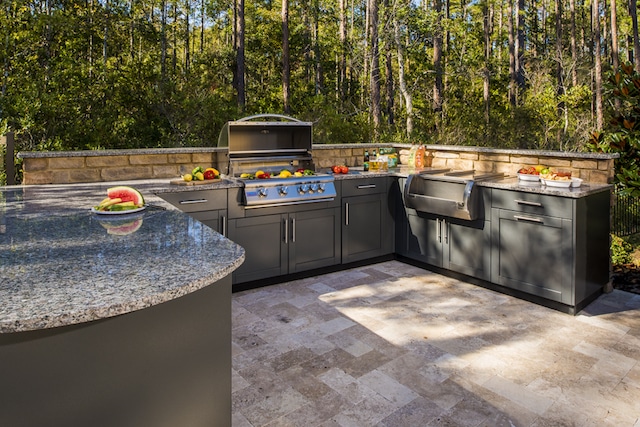
Bull Outdoor Products is famous for their “Relia-Bull” technology, which focuses on heat distribution. The Brahma 5-burner grill is the cornerstone of their professional packages. Most Bull packages come as a complete island setup, including the masonry-style base, a solid granite countertop, and the grill itself. The Brahma grill utilizes a unique manifold and burner design that eliminates hot and cold spots, ensuring that every square inch of the cooking surface is usable—a common frustration with cheaper alternatives.
The benefit of the Bull package is its robust, heavy-duty construction. The grills are made from 16-gauge stainless steel, which is thicker than many competitors, offering superior heat retention and a longer lifespan. Their packages often include a powerful side burner for boiling corn or making sauces, and a large refrigerator for convenience. For a homeowner looking for a “classic” outdoor kitchen look with a rock-solid warranty, the Bull Brahma suite is a top-tier transactional choice that delivers consistent performance for decades.
Use Case: This solves the problem of “uneven cooking” that ruins expensive steaks. It is needed by people who want a heavy, permanent-feeling island that serves as the “anchor” of their outdoor living space, providing a commercial-grade cooking experience at home.
Maximizing the Value of Your Outdoor Kitchen Investment
Strategic Problem Solving with Modular vs. Custom Builds
Choosing between modular professional outdoor kitchen packages and a fully custom build is the most significant decision impacting your total cost. Modular systems solve the problem of unpredictable construction timelines and “scope creep.” These kits come with pre-calculated weights and dimensions, making them easier to approve for deck installations or urban rooftops where structural load is a concern. For a homeowner, this means a faster path to the first cookout and a much lower chance of exceeding the planned budget. People need to use modular systems when they value speed, predictability, and high-quality finishes that have been factory-tested.
On the other hand, custom masonry builds solve unique architectural challenges. If your backyard has a significant slope, or if you want the kitchen to integrate seamlessly with an existing stone retaining wall, a custom build is the only way to achieve a perfect fit. While this increases the professional outdoor kitchen packages and installation costs, it allows for “site-specific” engineering that a kit cannot provide. Use this approach if your project involves complex landscaping or if you want to use rare materials that aren’t offered in standard packages. The problem solved here is one of total architectural harmony.
Why Professional Installation is Essential for Safety and Longevity
Attempting a DIY installation of an outdoor kitchen to save on costs is often a false economy. The intersection of gas, high-voltage electricity, and heavy structural components creates a safety profile that requires licensed expertise. A professional installer ensures that gas lines are properly pressure-tested for leaks and that all electrical outlets are GFCI-protected and housed in weatherproof boxes. They also understand the thermal clearance requirements; placing a high-heat grill too close to a combustible wall is a major fire hazard that a professional will catch and correct during the planning phase.
Beyond safety, professionals solve the problem of drainage and ventilation. A built-in grill must have proper ventilation in the island to prevent gas from pooling, which could lead to an explosion. Similarly, an outdoor sink requires a proper drain or a specialized dry-well system to prevent standing water and pests. By paying for professional outdoor kitchen packages and installation costs, you are essentially buying an insurance policy on your backyard. The longevity of the project depends on these fine technical details that only an experienced contractor can consistently execute.
Buying Guide: How to Secure the Best Price and Quality
When you are ready to move forward, the first step is to request multiple quotes for “professional outdoor kitchen packages and installation costs.” Start by visiting specialized outdoor living showrooms rather than general home centers; specialized dealers have a deeper understanding of the brands like Napoleon, Danver, and Bull. Many of these retailers offer 3D design services for free or for a small fee that is credited back to your purchase. This visualization tool is vital for ensuring the kitchen fits your space and your workflow before a single stone is laid.
To buy these packages, use the “Buy” buttons provided in this article to explore authorized online retailers and manufacturer websites. Many of these brands offer seasonal promotions—particularly in the late fall or early spring—which can save you thousands on the appliance suite. If you are hiring a contractor for the install, ensure they are comfortable with the specific brand you’ve chosen; some modular kits have proprietary installation methods that require specific training. Always ask for a detailed line-item quote that separates the “product” cost from the “labor” and “utility” costs to maintain a clear view of your budget.
Frequently Asked Questions (FAQ)
1. What is the average total price for professional outdoor kitchen packages and installation costs?
While prices vary wildly, a mid-range modular kitchen typically ranges from $12,000 to $25,000 including installation. High-end custom builds with premium appliances like Danver or Hestan can easily exceed $50,000 to $100,000. The primary drivers of cost are the size of the island, the complexity of utility runs, and the tier of appliances selected.
2. Does an outdoor kitchen require a permit?
Yes, in most jurisdictions, any project involving gas lines, plumbing, or electrical work requires a building permit. Additionally, if you are adding a permanent structure like a roof or a large masonry island, you may need zoning approval. Professional installers will typically handle the permitting process as part of their service, ensuring the project meets local fire and safety codes.
3. How long does the installation of a professional outdoor kitchen package take?
Modular systems like RTA or Thor can be installed in 1 to 3 days once the foundation and utilities are ready. A fully custom masonry build can take 4 to 8 weeks, as it involves multiple stages of framing, stone-setting, and curing. It is important to account for “utility prep time” which can take a week or two depending on the availability of plumbers and electricians.